

Research > Archaeological Fieldwork > Sapienza "Grandi Scavi" > Pyrgi: Port and Maritime Sanctuary of the Etruscan City of Caere
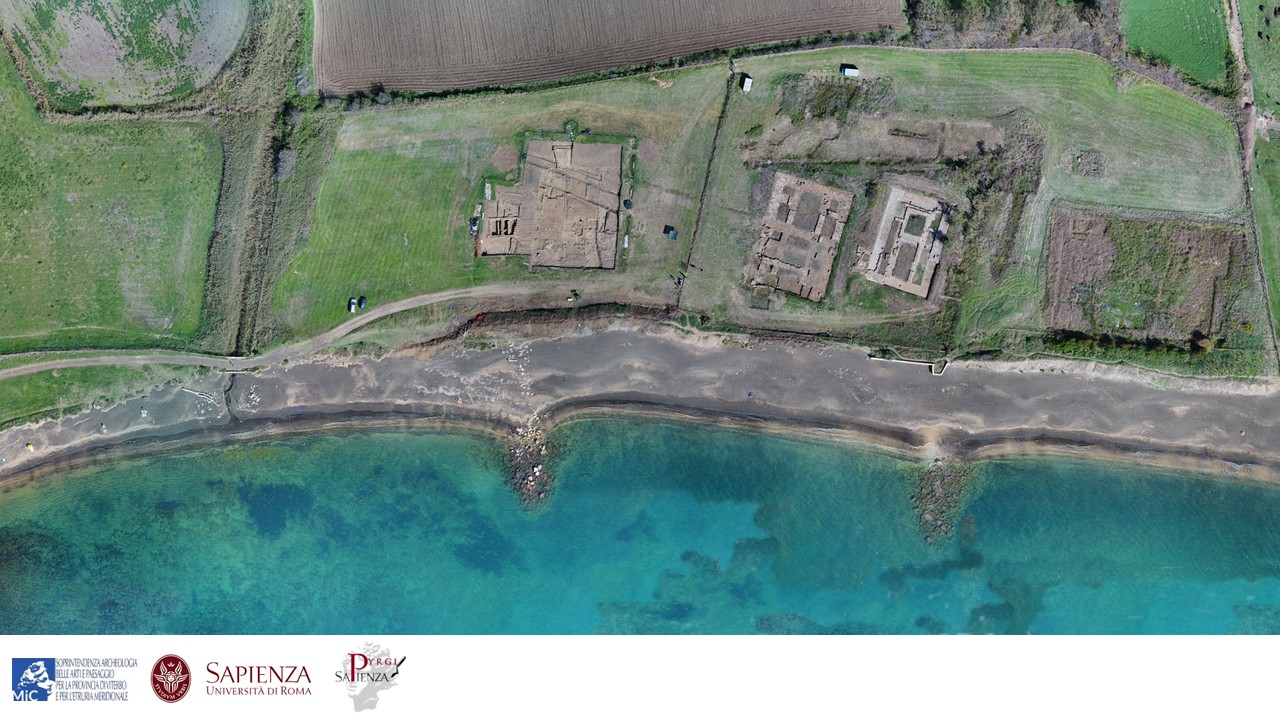
Director: Laura Maria Michetti
External links:
The port and sanctuary of Pyrgi played a crucial role in the history of the ancient Mediterranean, representing the maritime projection of the metropolis of Caere (modern Cerveteri), one of the most important Etruscan cities, which derived its wealth from controlling maritime trade. Pyrgi was, in fact, the first harbor for those traveling along the Tyrrhenian routes from the south. The sanctuary of Pyrgi is one of the few mentioned in ancient literary sources, being associated with events of crucial historical significance for the political and economic balance of the Mediterranean region (the Battle of Alalia, 540 BC; the sack by Dionysius I of Syracuse, 384 BC).
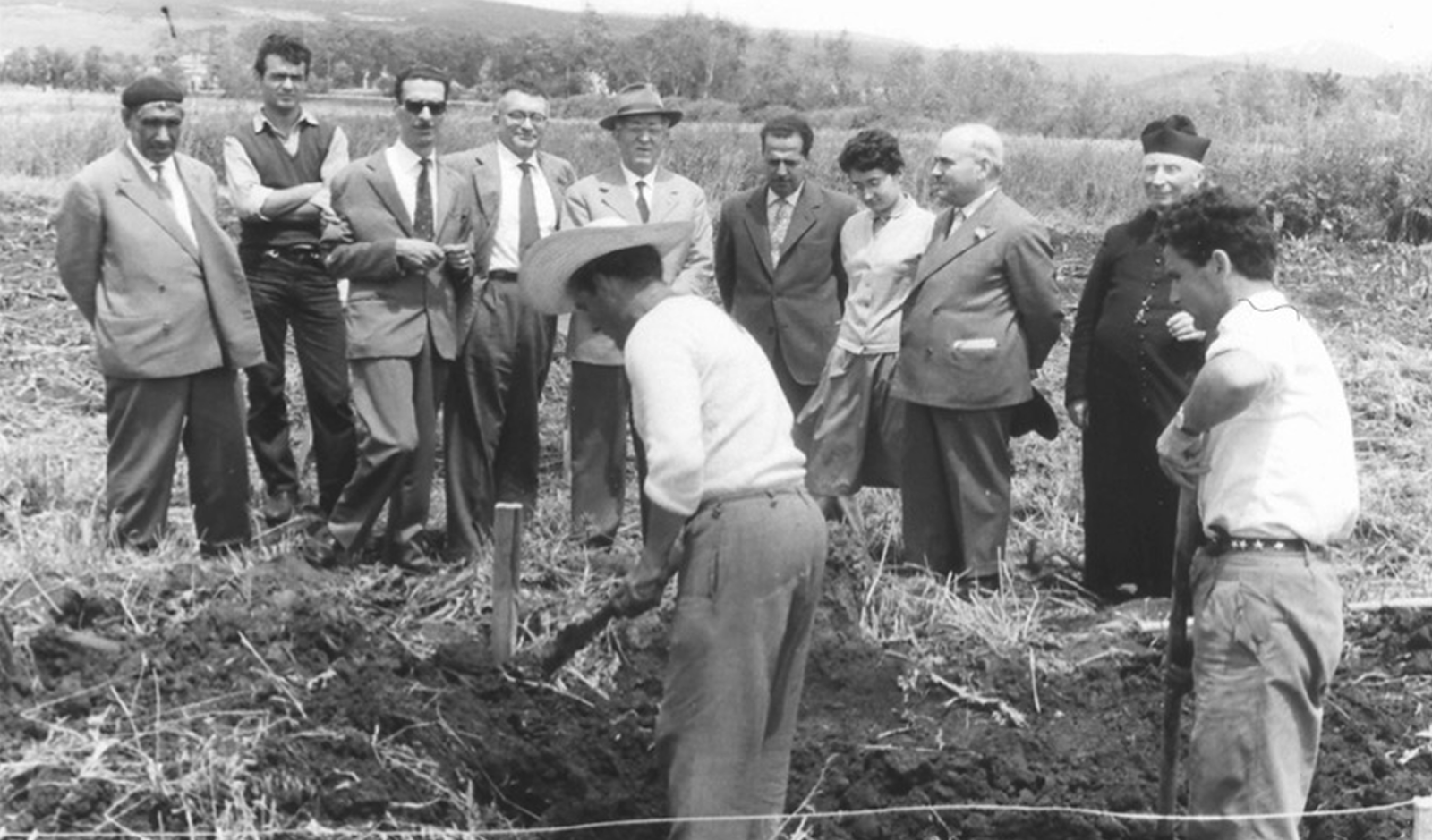
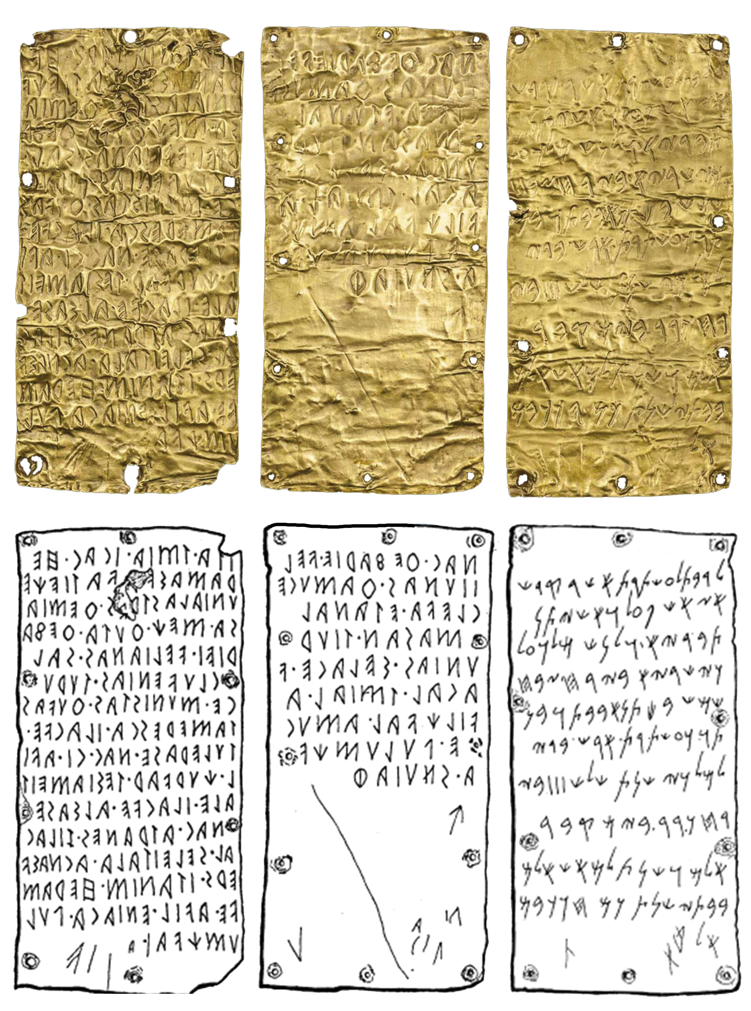
Funded by Sapienza University since 1957, the excavation at Pyrgi is one of the earliest “Great Excavations,” conceived from the outset (by Massimo Pallottino and later Giovanni Colonna) as a training site that has educated generations of italian and foreign archaeologists. The prompt publication of its findings has provided a benchmark for fundamental studies in the fields of Etrusco-Italic history, architecture, art, epigraphy, and linguistics, also thanks to exceptional discoveries such as the Gold Tablets and the innovative terracotta decorative systems of the temples.
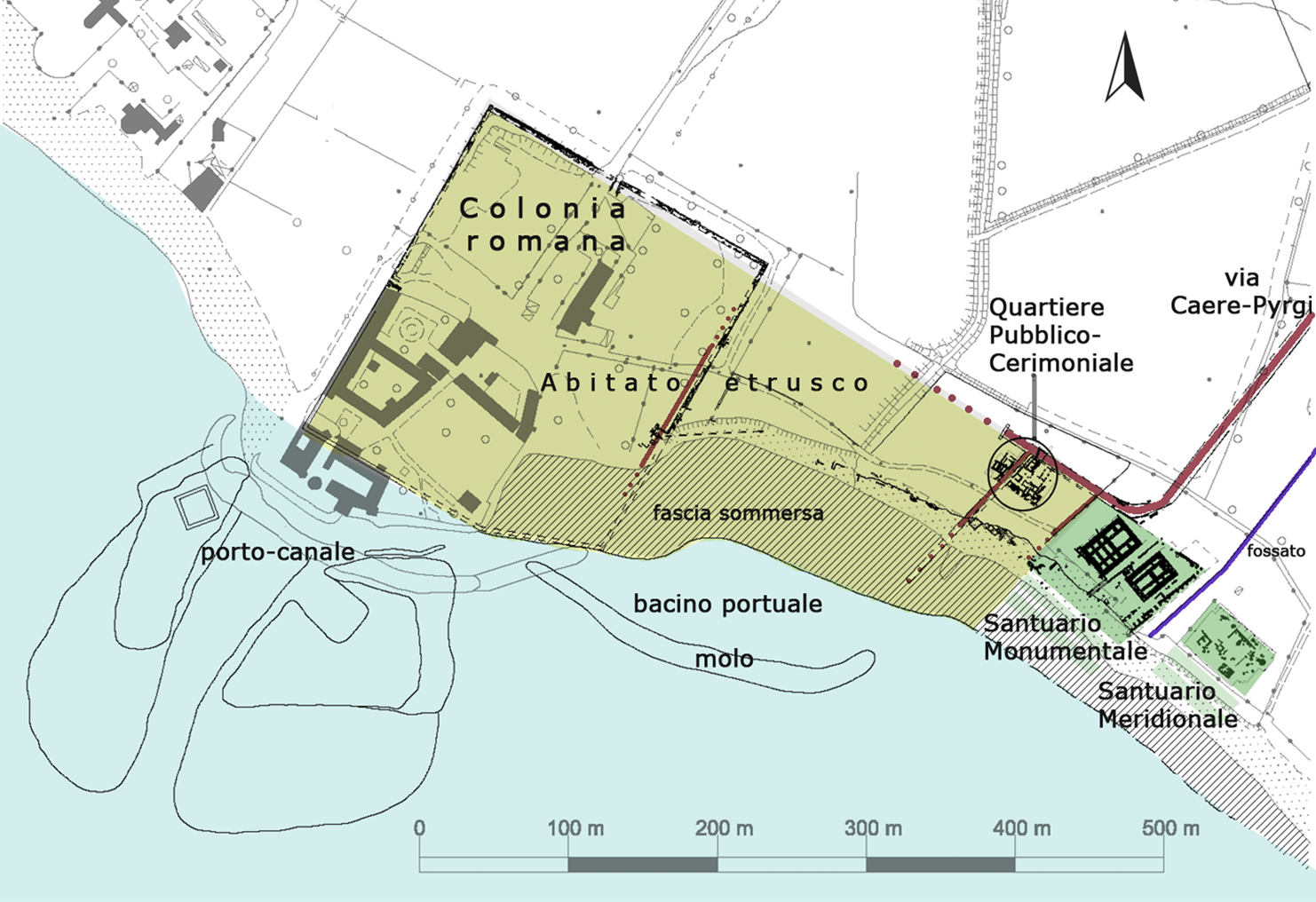
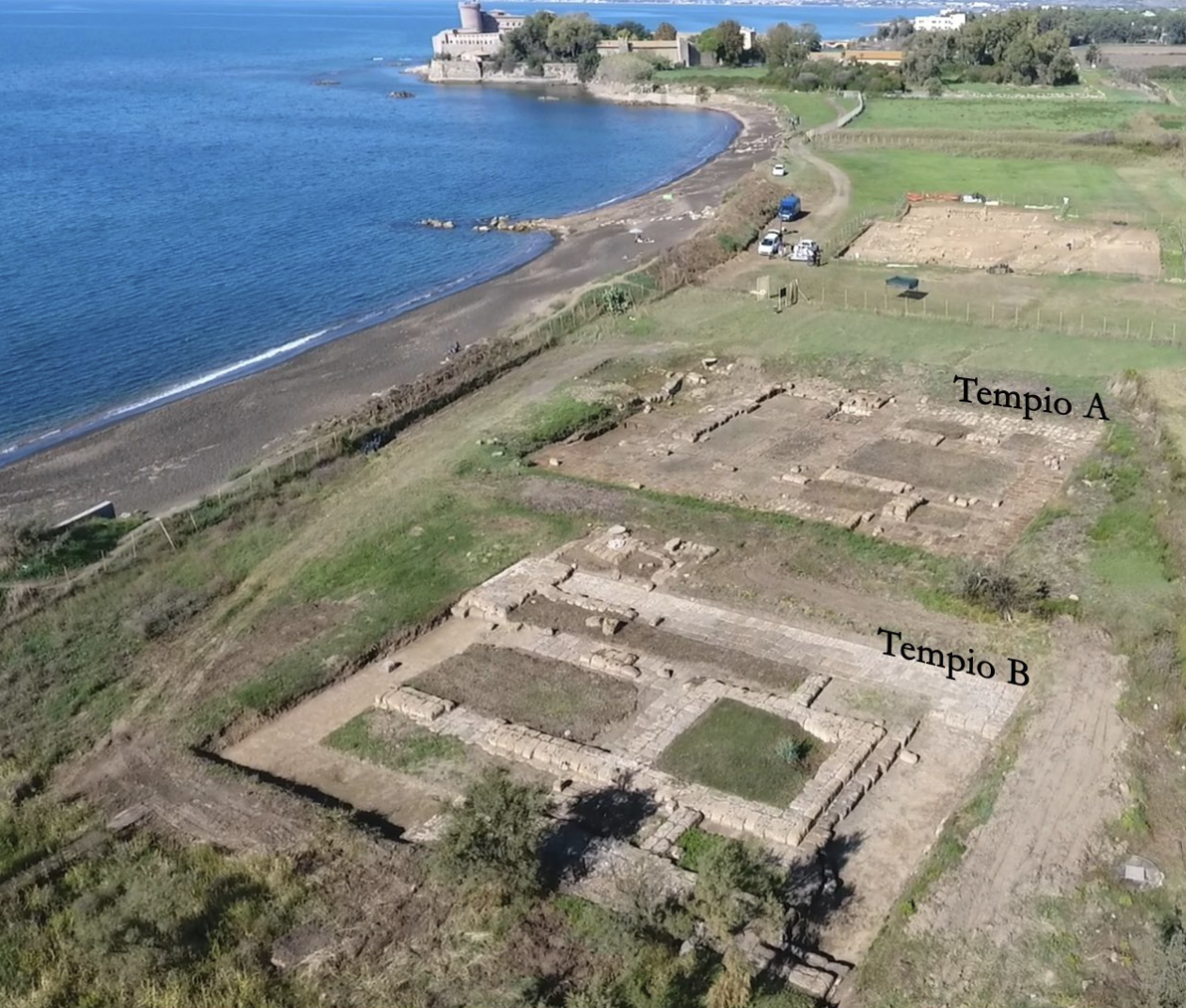
The sanctuary covers over 14,000 square meters along the coast and includes two distinct sacred areas, separated by a paleochannel: the Monumental Sanctuary and the Southern Sanctuary. The Monumental Sanctuary is considered an expression of the political power of Caere. As documented by the Etruscan and Phoenician texts of the gold tablets, Temple B was dedicated by the principal magistrate of Caere, Thefarie Velianas (510 BCE), to the goddess Uni-Astarte as an international place of worship, designed according to an innovative architectural project. The roof decorations and inscriptions document the cult of Uni and Tinia—the main deities of the Etruscan pantheon—together with that of Heracle. The project of Thefarie Velianas was completed by Sacred Area C (where the tablets were later hidden) and the so-called “Edificio delle Venti celle”, possibly intended for sacred prostitution.
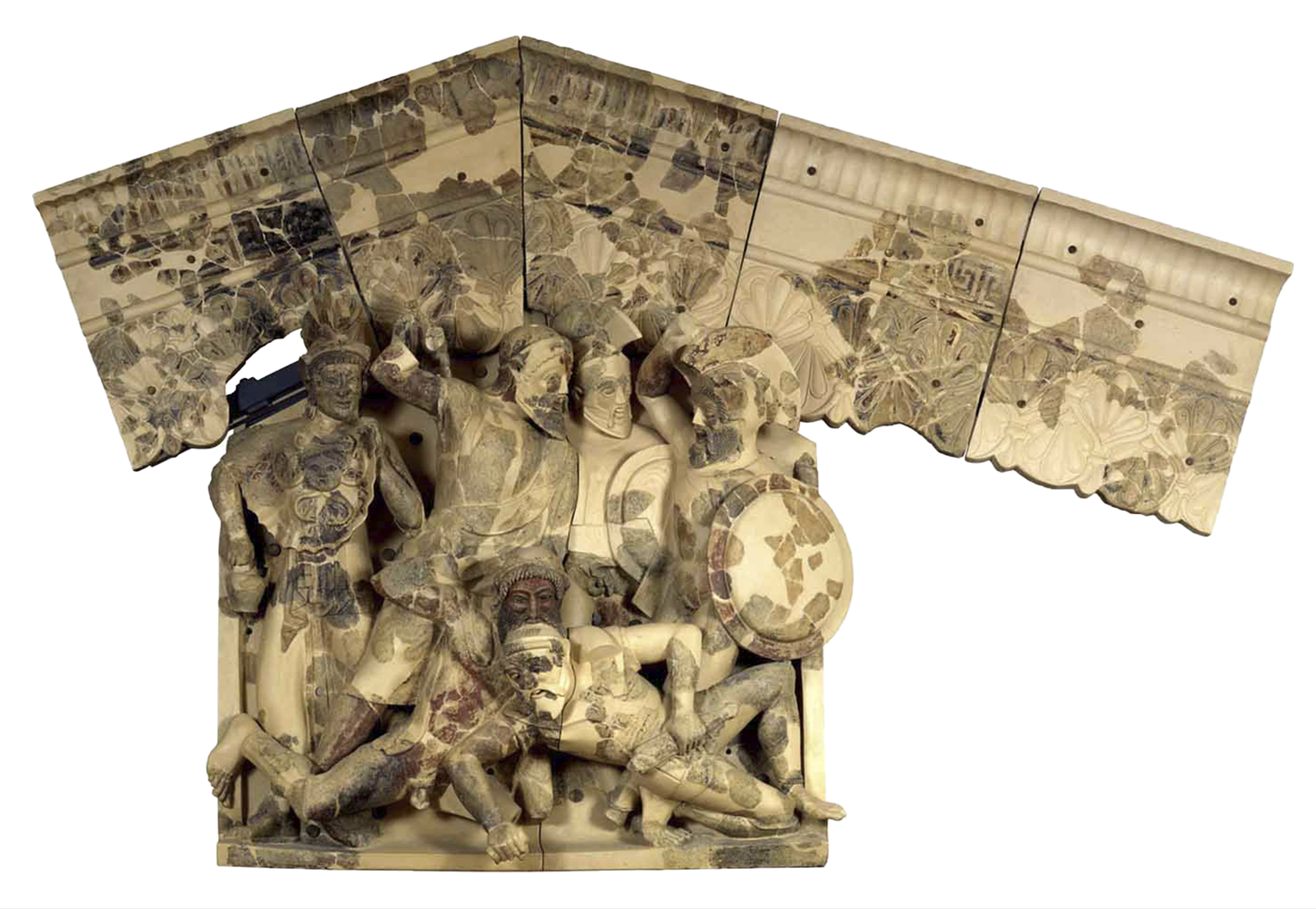
Around 470/460 BC, the sacred area was nearly doubled with the construction of Temple A, built on a Tuscan plan and also dedicated to Heracles—this time accompanied by Thesan/Leukothea—and with the extension of the temenos wall to the north. The new temple reflects the anti-tyrannical course of Caere’s politics, as emphasized by the relief on the rear pediment (a masterpiece of Etruscan art, now in the Museo Nazionale Etrusco di Villa Giulia), where the message condemning human arrogance is conveyed through episodes from the saga of the Seven Against Thebes.
The Monumental Sanctuary is directly connected to the mother city via Caere–Pyrgi road. In the 5th century BC, its terminal stretch was oriented precisely toward the rear façade of Temple A, emphasizing the political and official character of the sanctuary itself.
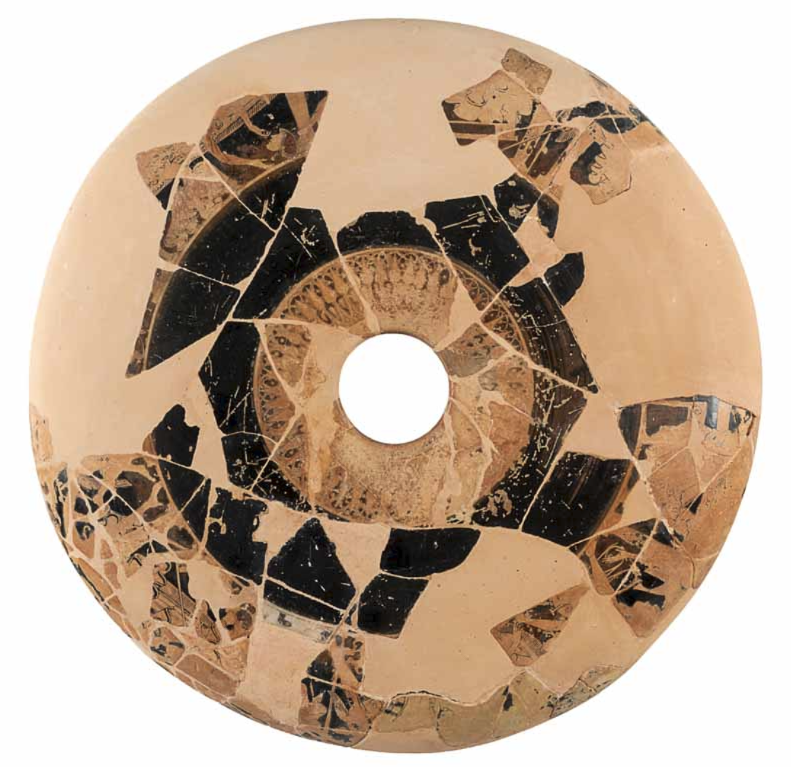
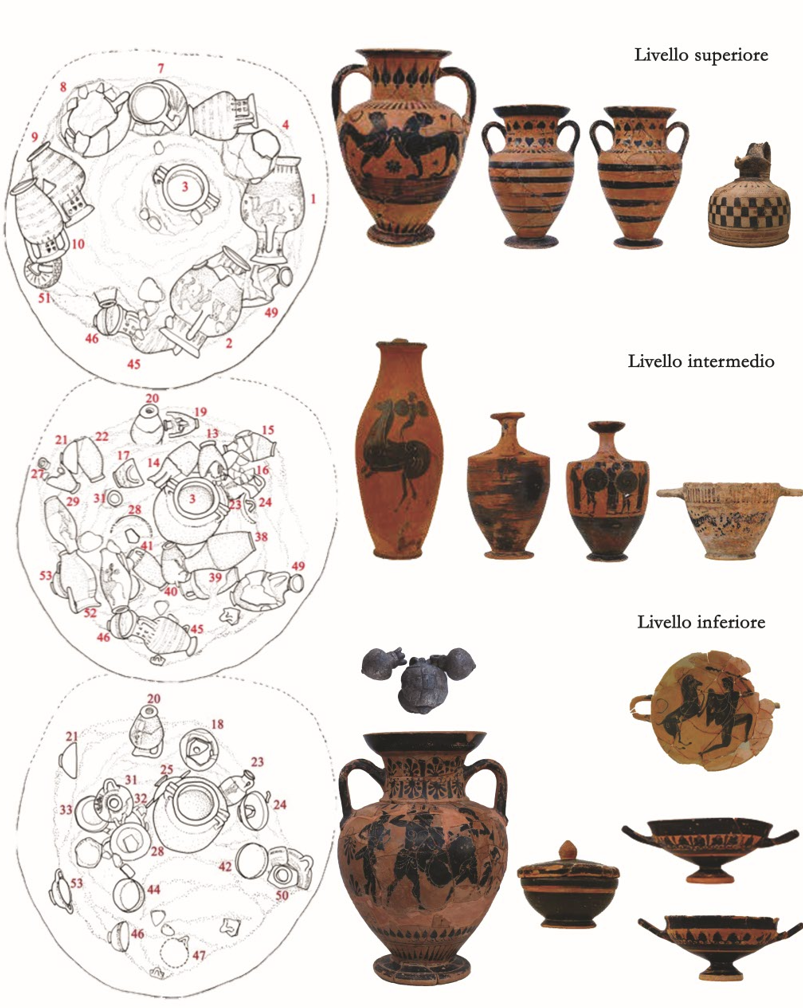
The Southern Sanctuary represents a second, independent sacred area, lacking monumental architecture and characterized by numerous small altars and modest structures. Its plan layout, rituals, and types of votive offerings suggest the performance of Demeter-related cults on-site; numerous Etruscan inscriptions attest to the worship of the pair formed by the chthonic god Śur/Śuri and the goddess Cavatha, whom Greek devotees identified with Demeter, as evidenced by some dedications in Greek. The Pyrgi context represents the earliest and most elaborated example of this type of cult in Etruria. The quantity of Attic pottery offered in this sacred area is exceptional compared to other Etruscan sanctuaries: the most important gift is a large phiale attributed to the Brygos Painter (480/470 BC), which depicts the earliest known representation of the slaughter of the Suitors narrated in the Odyssey.
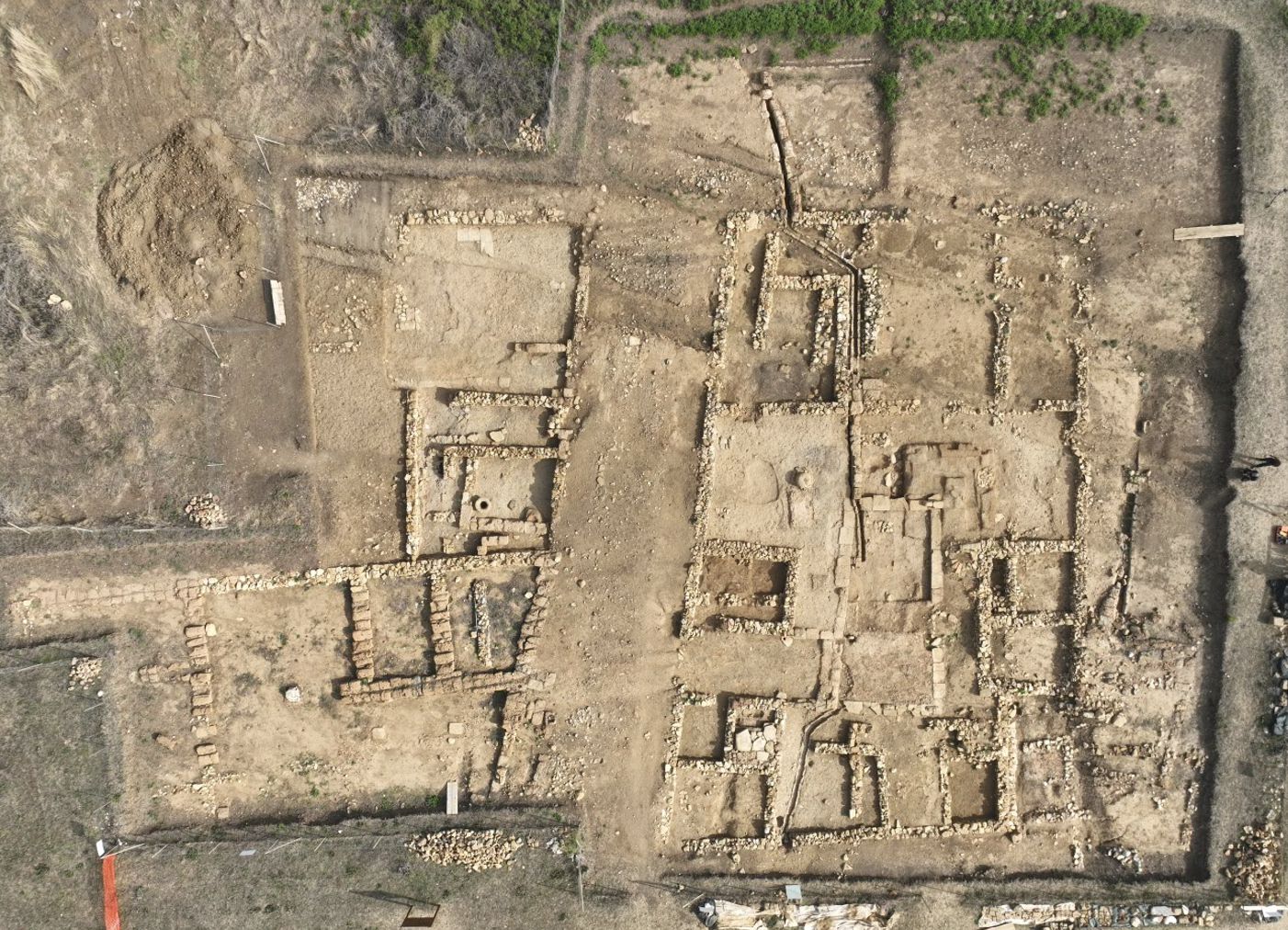
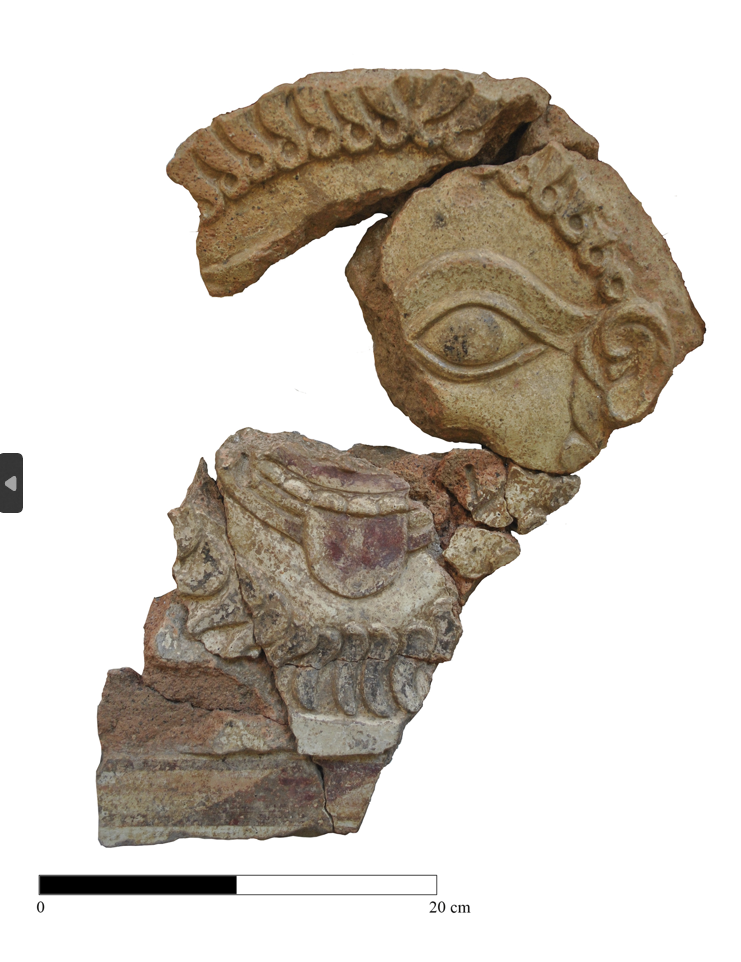
Between the sanctuary and the port settlement, excavations are ongoing at the so-called “Public-Ceremonial Quarter,” intended for public and representative functions as well as productive activities, in connection with the management of the port and the sanctuary, and where ritual practices also took place, as attested by numerous votive deposits and the presence of at least one altar. Several structures dating from the late 7th to the 4th century BC have been excavated—some with decorated roofs—erected along a gravel-paved street branching off from the Caere–Pyrgi road and leading to the eastern port.
The research project is therefore aimed at reconstructing the urban layout of the Pyrgi port site, which hosts a major maritime sanctuary (including roads, cadastral divisions, and the organization of public and private spaces), the possible defensive systems (alluded to by the Greek name “Pyrgoi”), and the historical development of the site up to the foundation of the Roman maritime colony in the first half of the 3rd century BC.
Collaborators:
Alessandro Conti, Manuela Bonadies, Barbara Belelli Marchesini, Claudia Carlucci, Simone Grosso
- Bibliography
Autori Vari, Santa Severa (Roma). Scavi e ricerche nel sito dell’antica Pyrgi (1957-1959), in Notizie degli Scavi di Antichità VIII, Roma 1959.
G. Colonna, La via Caere-Pyrgi, in La via Aurelia da Roma a Forum Aurelii, Roma 1968, pp. 75-87.
Autori Vari, Santa Severa (Roma). Scavi nel santuario etrusco (1959-1967), in Notizie degli Scavi di Antichità XXIV, II supplemento, Roma 1970.
G. Colonna (a cura di), Santuari d’Etruria, Catalogo della Mostra (Arezzo 1985), Milano 1985.
G. Colonna, Anfore da trasporto arcaiche: il contributo di Pyrgi, in M. Cristofani (a cura di), Il commercio etrusco arcaico, Atti dell’Incontro di Studio (Roma 1983) (Quaderni per l’Archeologia Etrusco-Italica, 9), Roma 1985, pp. 5-18.
Autori Vari, Santa Severa (Roma). Scavi nel santuario etrusco (1969-1971), in Notizie degli Scavi di Antichità XLII-XLIII, II supplemento, Roma 1988-1989.
G. Colonna (ed.), L’altorilievo di Pyrgi. Dei ed eroi greci in Etruria, Roma 1996.
L. Drago Troccoli (ed.), Scavi e ricerche archeologiche dell’Università di Roma “La Sapienza”, Roma 1998.
M.P. Baglione, I rinvenimenti di ceramica attica dal santuario dell’Area Sud, in Scienze dell’Antichità 10, 2000, pp. 337-382.
G. Colonna, Il santuario di Pyrgi dalle origini mitistoriche agli altorilievi frontonali dei Sette e di Leucotea, in Scienze dell’Antichità 10, 2000, pp. 252-336.
B. Bellelli Marchesini, L’abitato costiero di Pyrgi, osservazioni sull’impianto urbanistico e sugli aspetti edilizi, in J.R. Brandt - L. Karlsson (a cura di), From huts to houses. Transformations of ancient societies, Proceedings of an International Seminar Organized by the Norwegian and Swedish Institutes in Rome (Roma 1997), Stockholm 2001, pp. 395-405.
G. Colonna, Italia ante romanum imperium. Scritti di antichità etrusche, italiche e romane (1958-1998), vol. IV, Pyrgi e Storia della ricerca, Pisa-Roma 2005.
G. Colonna, Cerveteri. La Tomba delle Iscrizioni Graffite, in M. Pandolfini Angeletti (a cura di), Archeologia in Etruria meridionale, Atti delle giornate di studio in ricordo di Mario Moretti (Civita Castellana 2003), Roma 2006, pp. 419-468.
G. Colonna, Novità su Thefarie Velianas, in Annali della Fondazione per il Museo “Claudio Faina” XIV, 2007, pp. 11-17.
G. Colonna, L’Apollo di Pyrgi, Śur/Śuri (il “Nero”) e l’Apollo Sourios, in Studi Etruschi LXXIII, 2007, pp. 101-134.
M.P. Baglione, Esame dal santuario meridionale di Pyrgi, in Saturnia Tellus. Definizioni dello spazio consacrato in ambiente etrusco, italico, fenicio-punico, iberico e celtico, Atti del Convegno Internazionale (Roma 2004), Roma 2008, pp. 301-318.
F. Enei, Pyrgi sommersa. Ricognizioni archeologiche subacquee nel porto dell’antica Caere, Santa Severa 2008.
M.P. Baglione, Culti e culture dal santuario dell’Area Sud di Pyrgi, in S. Fortunelli - C. Masseria (eds.), Ceramica attica da santuari della Grecia, della Ionia e dell’Italia, Atti del Convegno Internazionale (Perugia 2007), Potenza 2009, pp. 217-232.
D. F. Maras, Il dono votivo. Gli dei e il sacro nelle iscrizioni etrusche di culto, Pisa-Roma 2009.
F. Enei, Alle origini del porto etrusco di Pyrgi, in Archaeologia Maritima Mediterranea 8, Pisa- Roma 2011, pp. 13-28.
G. Colonna, Il pantheon degli Etruschi - “i più religiosi degli uomini” – alla luce delle scoperte di Pyrgi, in Memorie (Accademia nazionale dei Lincei. Classe di scienze morali, storiche e filologiche), XXIX, 3, 2012, pp. 557-595.
M.P. Baglione - M.D. Gentili (a cura di), Riflessioni su Pyrgi. Scavi e ricerche nelle aree del santuario, Roma 2013.
G. Colonna, Nuovi dati sui porti, sull’abitato e sulle aree sacre della Pyrgi etrusca, in StEtr LXXVI, 2013, pp. 81-109.
F. Gaultier - L. Haumesser - P. Santoro - V. Bellelli - A. Russo Tagliente - R. Cosentino (a cura di), Gli Etruschi e il Mediterraneo: la città di Cerveteri, Catalogo della Mostra (Parigi-Roma 2014), Parigi 2014.
L. Petacco, La viabilità in uscita da Cerveteri: osservazioni sulla via Caere-Pyrgi, in V. Bellelli (a cura di), Caere 6. Caere e Pyrgi: il territorio, la viabilità, le fortificazioni, Pisa-Roma 2014, pp. 177-196.
M.P. Baglione - L.M. Michetti (a cura di), Le lamine d’oro a cinquant’anni dalla scoperta. Dati archeologici su Pyrgi nell’epoca di Thefarie Velianas e rapporti con altre realtà del Mediterraneo, in Scienze dell’Antichità 21.2, 2015.
B. Belelli Marchesini - M.C. Biella - L.M. Michetti (a cura di), Il santuario di Montetosto sulla via Caere-Pyrgi, Roma 2015.
G. Colonna, Nuovi dati sui porti, sull’abitato e sulle aree sacre della Pyrgi etrusca, in Studi Etruschi LXXVI, 2013, pp. 81-109.
V. Bellelli - P. Xella (a cura di), Nuovi studi sulle iscrizioni in etrusco e in fenicio nel cinquantenario della scoperta (Studi Epigrafici e Linguistici sul Vicino Oriente antico, 32-33), Verona 2016.
M.P. Baglione - B. Belelli Marchesini - C. Carlucci - L.M. Michetti - M. Bonadies - E. Cerilli - A. Conti - B. Giuliani - M. Zinni, Pyrgi, l’Area a nord del Santuario: nuovi dati dalle recenti campagne di scavo, in Scienze dell’Antichità, 23.1, 2017, pp. 139-194.
L.M. Michetti - B. Belelli Marchesini, Pyrgi, porto e santuario di Caere. Tra conoscenze acquisite e ricerche in corso, in Annali della Fondazione per il Museo “Claudio Faina” XXV, 2018, pp. 245-280.
L.M. Michetti, Incontrarsi nel porto. Il santuario di Pyrgi tra Etruschi, Greci e Fenici, in M.P. Castiglioni, M. Curcio - R. Dubbini (eds.), Incontrarsi al limite. Ibridazioni mediterranee nell’Italia preromana, Atti del Convegno Internazionale (Ferrara 2019), Roma 2020, pp. 127-142.
L.M. Michetti - B. Belelli Marchesini - M. Bonadies - A. Conti, R. Zaccagnini - M. Zinni, Pyrgi, porto e grande santuario marittimo di Caere. Scavi nell’area dell’abitato e nel santuario (Campagne 2017-2020), in Scienze dell’Antichità 27.1, pp. 175-218.
B. Belelli Marchesini - C. Carlucci, La fabbrica di Pyrgi, in Scienze dell’Antichità 28.2, 2022, pp. 83-104.
L.M. Michetti, A. Conti, B. Belelli Marchesini, I metalli a Pyrgi tra circolazione, tesaurizzazione e offerta, in Scienze dell’Antichità 28.2, 2022, pp. 269-301.
L.M. Michetti, I Sette a Tebe e Pyrgi: il porto e il grande santuario marittimo della città etrusca di Caere, in G. Calcani - C.G. Malacino (eds.), I bronzi di Riace e il mito: ricordando Paolo Moreno, Roma 2023, pp. 205-217.
L.M. Michetti, Caere, il suo porto e il grande santuario marittimo: nuovi dati su Pyrgi, in F. Gilotta (a cura di), Caere 7. Lavori in corso su Cerveteri tra Canada ed Europa, Roma 2023, pp. 21-36.
L.M. Michetti, Cerveteri e Pyrgi, il porto “gemello” sul Tirreno, in P. Desantis - E. Govi - V. Nizzo - G. Sassatelli - T. Trocchi (eds.), Spina etrusca. Un grande porto nel Mediterraneo, Catalogo della Mostra (Ferrara 2022-2023), Roma 2023, pp. 209-222.
L.M. Michetti - B. Belelli Marchesini - M. Bonadies - A. Conti - E. Abbondanzieri - S. Grosso - C. Kourta - C. Lo Verme - L. Nardò - S. Palmieri - E. Pillitteri - S. Servoli - A. Sorrenti - C. Tulini, Tra Caere e il mare: scavi e ricerche nel comprensorio di Pyrgi (campagne 2021-2023), in Scienze dell’Antichità 30.1, 2024, pp. 201-243.
L.M. Michetti, Mamarce di Pyrgi e i pericoli del mare, in Studi Etruschi LXXXVII, 2024.
L.M. Michetti - E. Abbondanzieri - B. Belelli Marchesini - M. Bonadies - C. Carlucci - A. Conti - S. Grosso - C. Lo Verme - D. Mantero - L. Nardò - S. Palmieri - M. Papandrea - E. Pillitteri - S. Servoli - A. Sorrenti - C. Tulini - A. Vivona - R. Zaccagnini, Pyrgi: porto e santuario marittimo della città etrusca di Cerveteri. Materiali per una visita dell’area archeologica, Roma 2025.
Further details about this research:
- Research type: Sapienza "Grandi Scavi"
- Location of the excavation: Santa Severa (RM)
- Research topic: Etruscology
- Fundings: Grandi Scavi di Ateneo
| Image gallery | ||
|---|---|---|
 |  |  |
 |  |  |
 |  |  |
 | ||