

Research > Archaeological Fieldwork > Sapienza "Grandi Scavi" > Ventotene. History of a Mediterranean Landscape
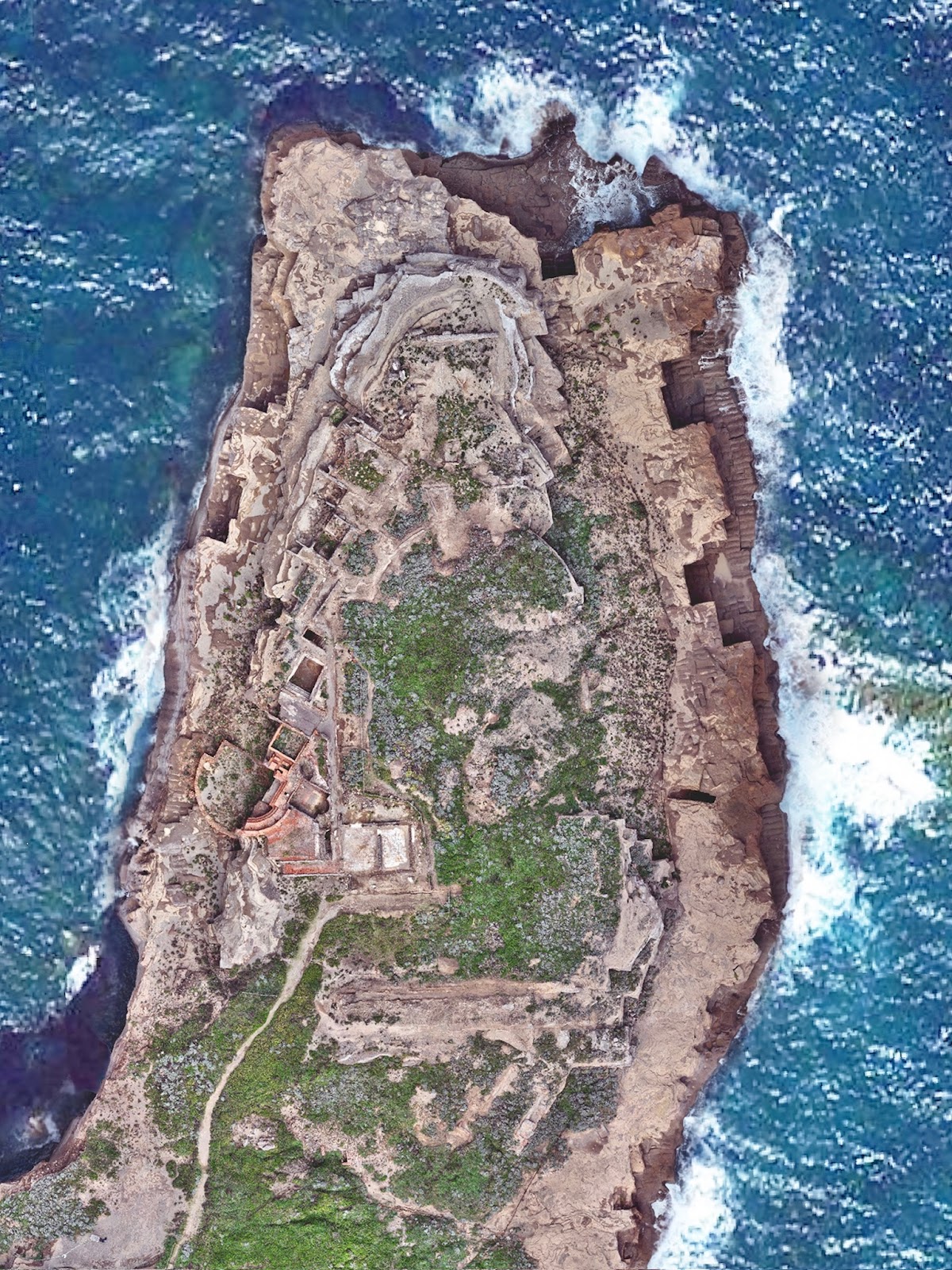
Director: Antonio F. Ferrandes
External links:
Instagram page
ArcheoVentotene on Academia.edu
Research activities carried out by Sapienza University on the island of Ventotene (ancient Pandataria) began in 2021, following a cooperation agreement signed between the Department of Ancient World Studies and the Soprintendenza ABAP for the provinces of Frosinone and Latina. The agreement aims to reassess, systematise, and publish the numerous archaeological contexts investigated between the late 1980s and 2006 under the direction of G.M. De Rossi.
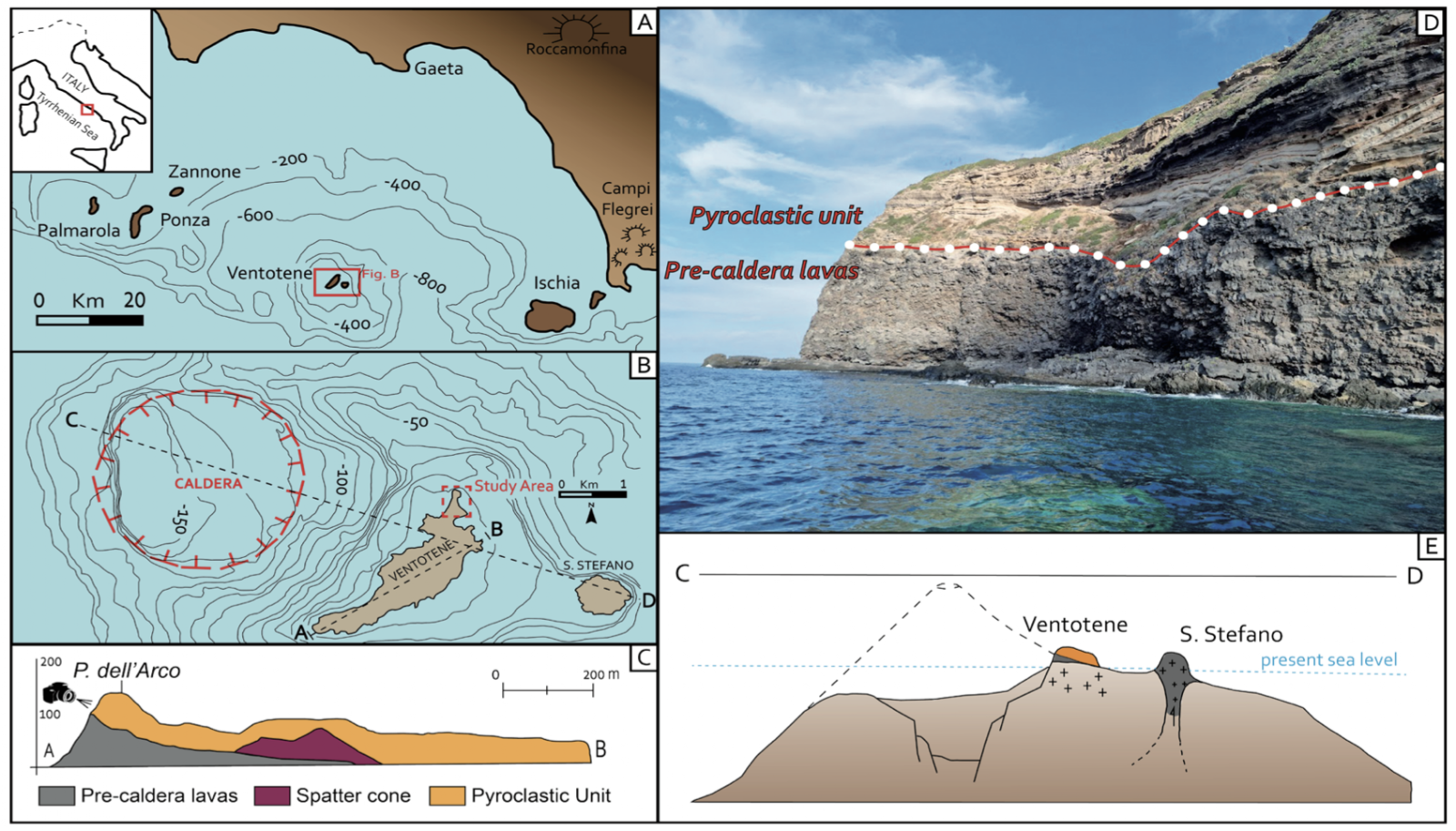
Between 2023 and 2025, the project was incorporated into the European H2020-TRIQUETRA initiative, which selected Punta Eolo as a pilot site for analysing natural hazards and degradation processes affecting cultural heritage in coastal environments. This integration provided updated knowledge on the geomorphological setting, coastal erosion processes, and structural vulnerabilities of the archaeological complex.
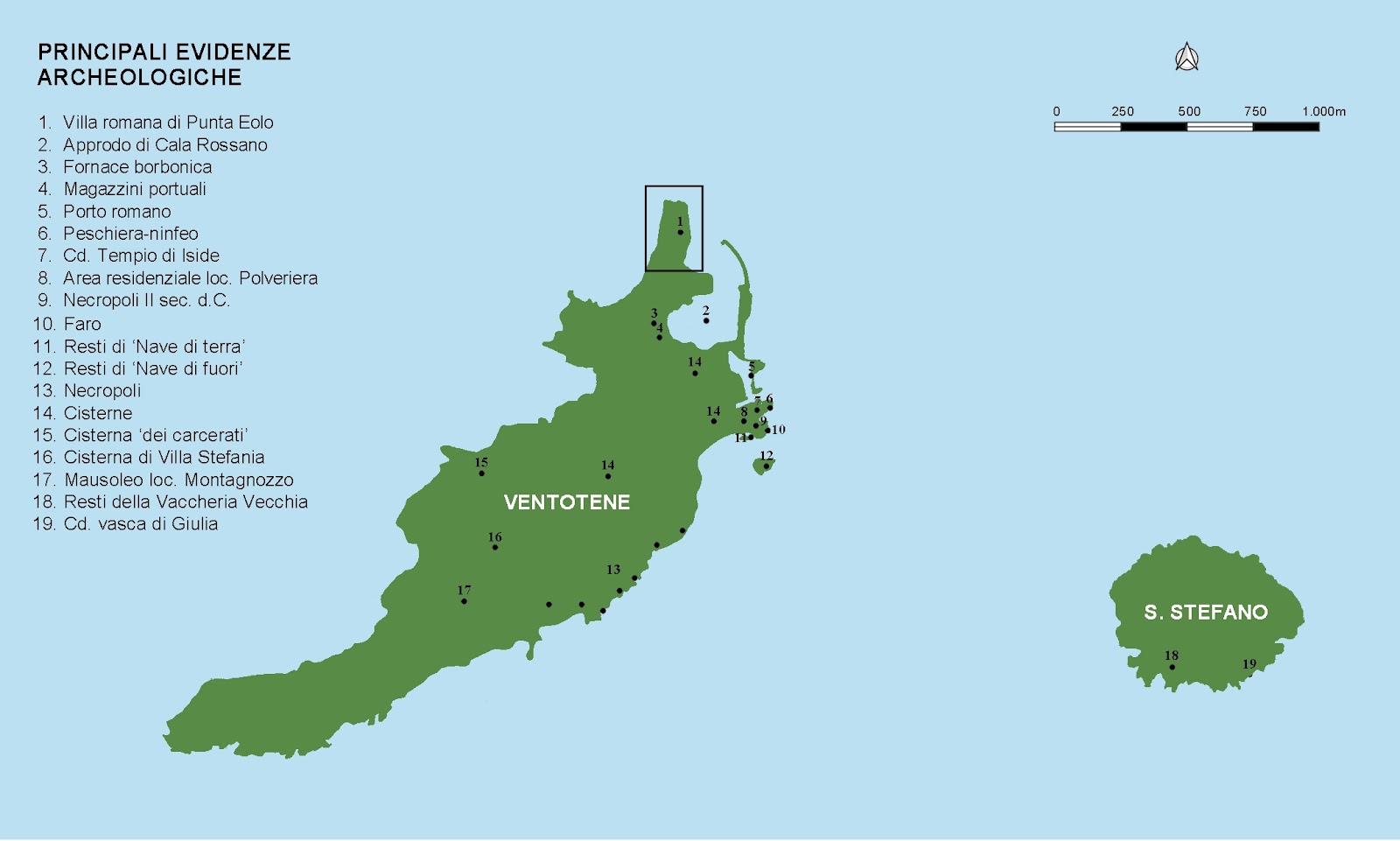
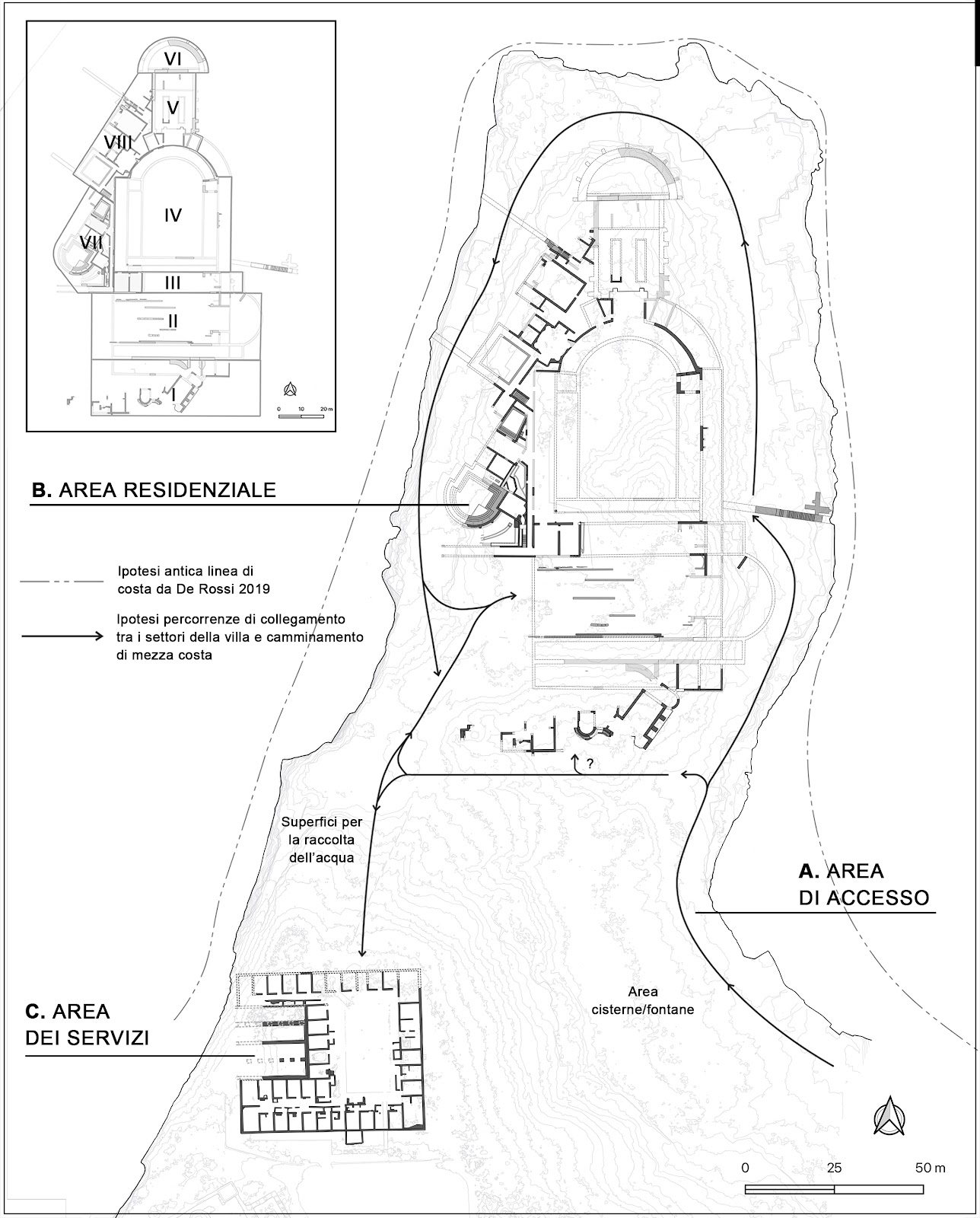
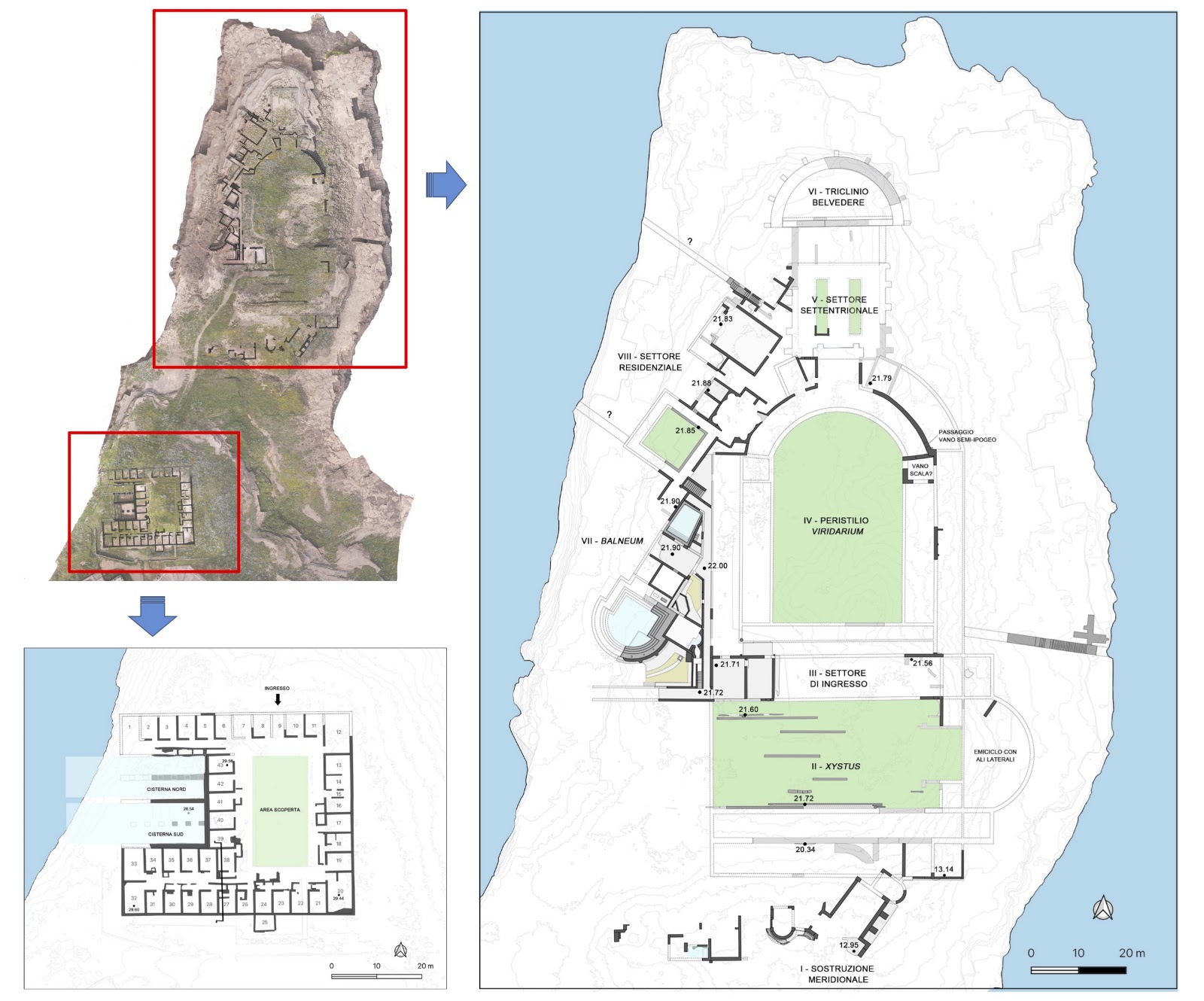
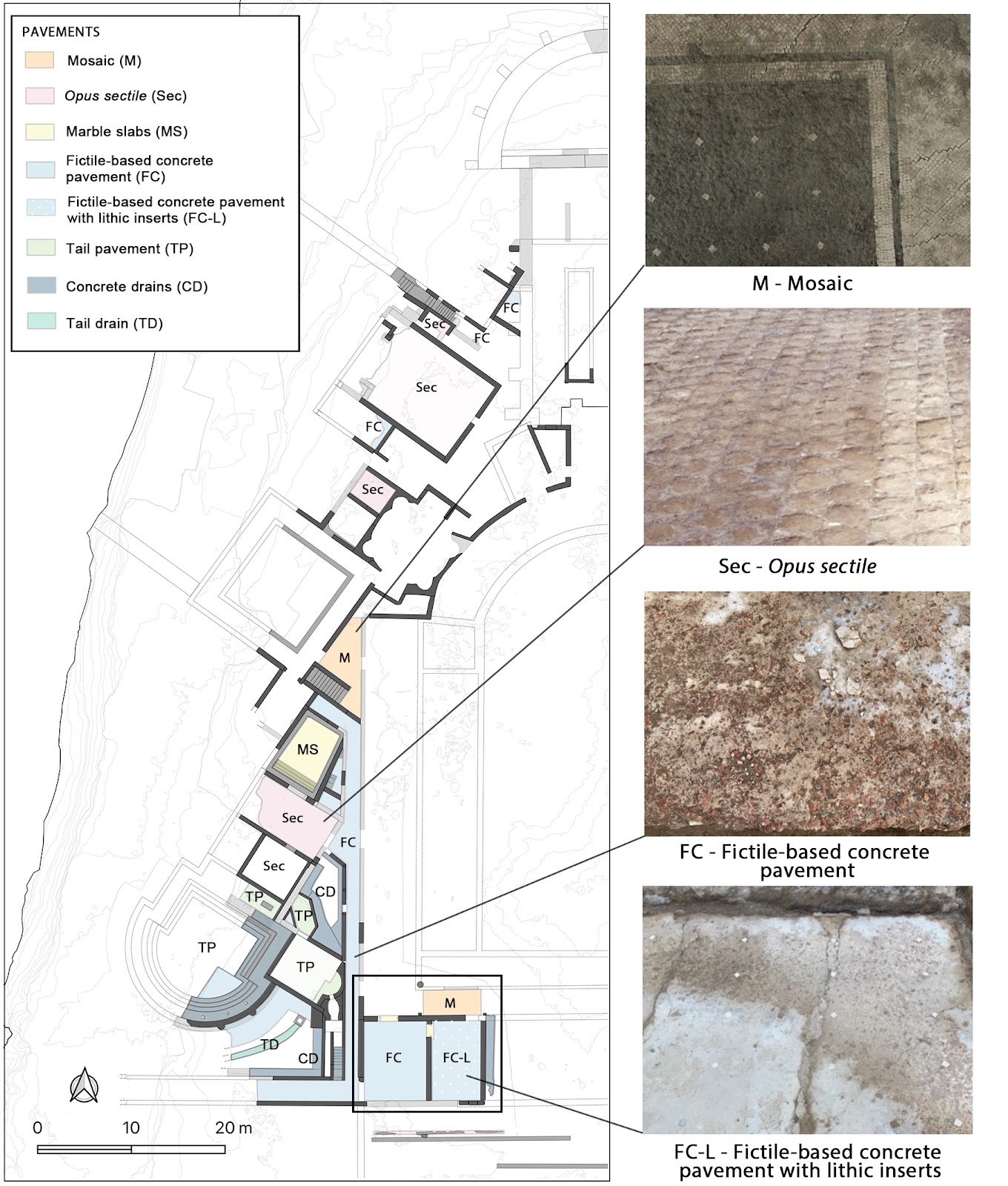
The combination of new investigations and archival data has opened a more extensive research phase focusing on the so-called villa “of Julia” and its connections with other archaeological features of the island—additional residential pavilions, systems of water collection and distribution, natural and artificial harbors with associated warehouses, fishponds, nymphaea, cult areas, tombs, and at least one lighthouse. The goal is to reconstruct the history and landscape of ancient Pandataria through a multidisciplinary approach integrating historical sources with stratigraphic excavations, digital surveying, and archaeometric analyses, thereby contextualising and refining the interpretation of the documentation produced under De Rossi’s direction.
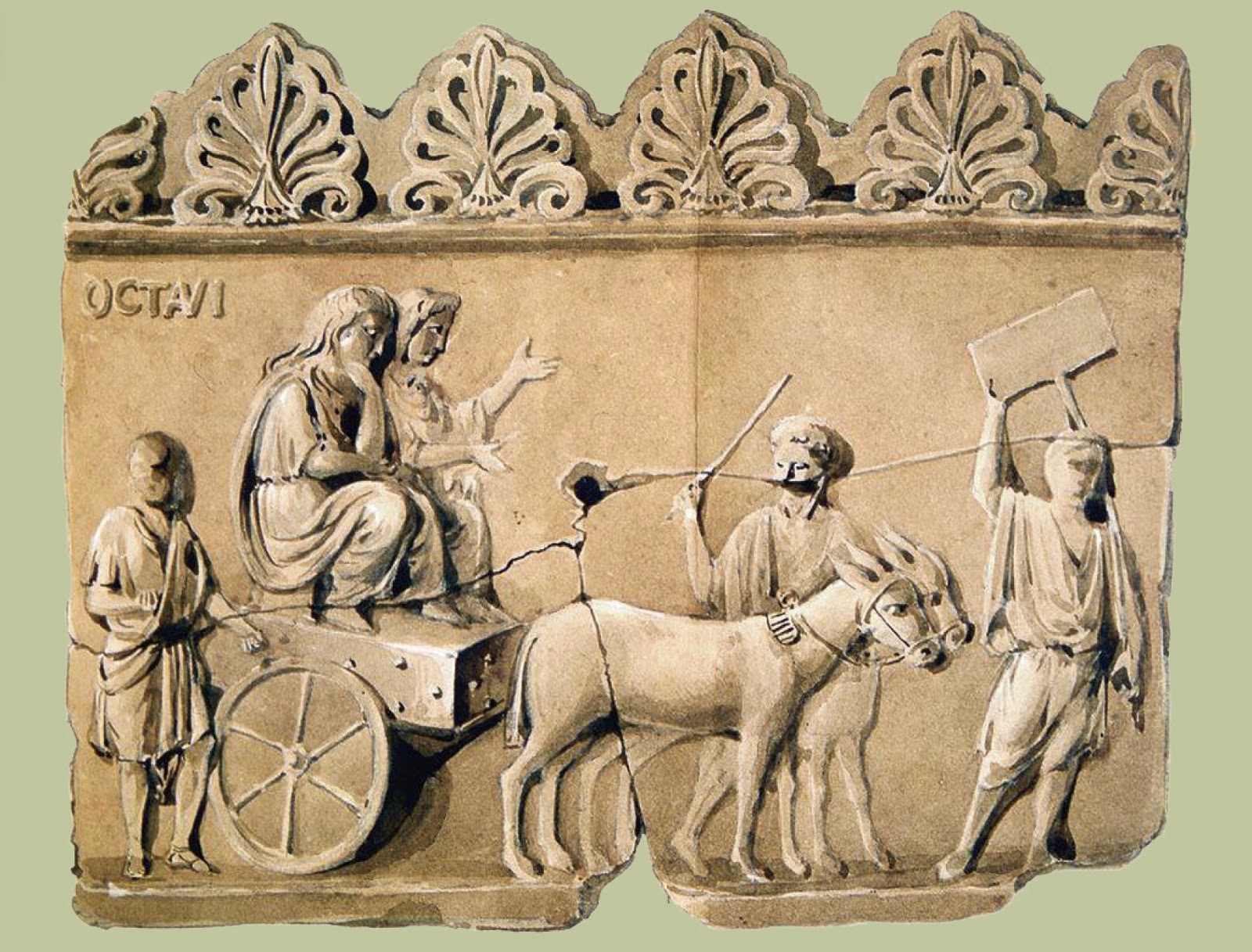
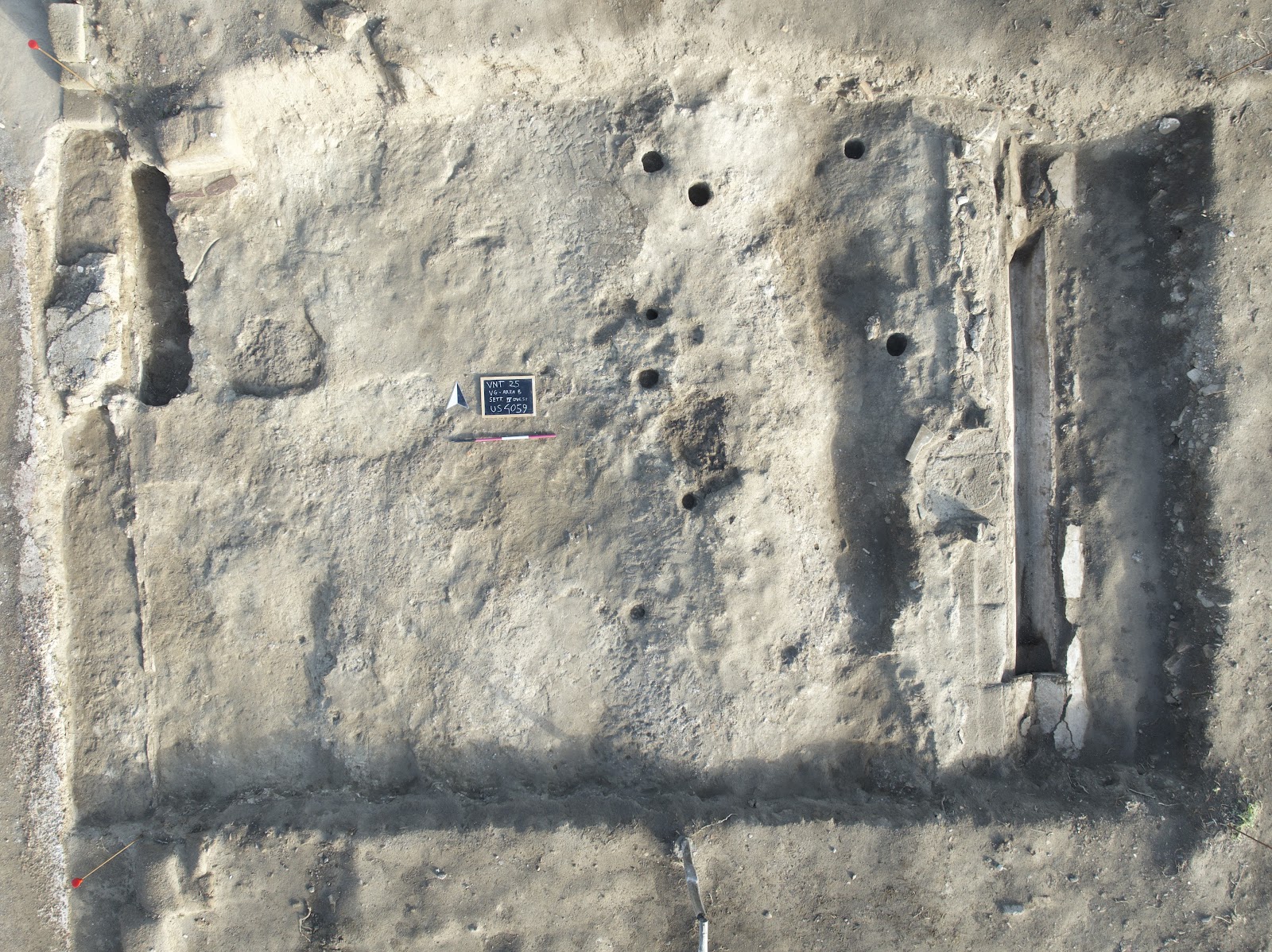
In this framework, in September 2025, and on the basis of a three-year excavation permit issued by the Italian Ministry of Culture, stratigraphic investigations were resumed in key areas of the villa to document its functional organisation, its interaction with the surrounding landscape, and the architectural transformations occurring over time, particularly with regard to its use as a place of exile.
The analysis of artefacts, conducted also through advanced archaeometric methods, is contributing to the reconstruction of material culture, productive activities, and food practices of the villa’s inhabitants, shedding new light on daily life on the island during the Roman period. At the same time, geological, archaeobotanical, and archaeozoological studies provide insights into the natural environment, human–environment interactions, and agricultural practices documented throughout the island’s history.
Finally, the project aims to enhance and disseminate research outcomes through accessible visitor routes, digital tools for site interpretation, and educational activities for schools and the local community. Collaboration with the competent authorities and engagement with the island’s residents are already promoting an informed and sustainable enjoyment of the archaeological heritage over the long term.
- Collaborators (click to expand)
- Topography and Graphic Documentation: E. Brienza, L. Fornaciari, A. Pegurri
- Area supervisors: M. Fortunato, G. Iacomelli, F. Parisi
- Sector supervisors: L. Cordani, F. Trevisan
- Finds Lab: B. Lepri
- Communication and SMM: A. Pegurri
- Educational Workshops: F. Lambicchi
- Geology: M. Gaeta, S. Martino, F. Feliziani, G. Grechi, G.M. Marmoni
- Territorial Analyses: A. Sotgia
- Paleobotanical Finds: A. Masi
- Archaeozoological Finds: C. Minniti
- Sculptural Finds: A. Lo Monaco
- Architectural Finds: F. Caprioli, S. Lucatelli, M. Maira
- Architectural Coroplastic Artifacts: S. Tortorella
- Numismatic Finds: G. Pardini
- Metallic Finds: G. Bison
- Epigraphic Finds: C. Molle
- Ancient Sources: F.R. Berno
- Safety Manager: A. Santomauro
- ABAP Superintendency for the Provinces of Frosinone and Latina Superintendent: A. Betori
- Archaeologist Officer: C. Molle
- Conservation Officer: C. Arrighi
- Bibliography
2023 - A.F. Ferrandes, M. Fortunato, F. Lambicchi, F. Parisi, A. Pegurri, L'ultimo esilio. Nuovi dati sull’occupazione della villa ‘di Giulia’ a Ventotene (LT) e sulla cultura materiale centro-italica alla fine del I secolo d.C., in Herom 12, pp. 53-137.
2024 - F. Feliziani, G.M. Marmoni, V. Gianni, A.F. Ferrandes, A. Pegurri, G. Grechi, G. Felli, P. Ciampi, F. Bozzano, C. Delpino, C. Arrighi, S. Martino, Engineering-geological modelling as a tool for archaeological site preservation strategies, in Italian Journal of Engineering Geology and Environment, Special Issue 1, pp. 115-126
2025 - A.F. Ferrandes, A. Pegurri, La villa “di Giulia” a Ventotene (LT). Nuove riflessioni per la conoscenza e la conservazione del complesso imperiale, in Scienze dell’Antichità 31.1, pp. 155-182.
2025 - A. Pegurri, F. Feliziani, G. Grechi, G.M. Marmoni, S. Martino, C. Arrighi, C. Delpino, A.F. Ferrandes, The imperial villa of Punta Eolo (Ventotene) between archaeological evidence and geological assets in a conservation perspective, in Italian Journal of Engineering Geology and Environment, Special Issue 1, pp. 83-93.
Further details about this research:
- Research type: Sapienza "Grandi Scavi"
- Location of the excavation: Ventotene (LT)
- Research topic: Mediterranean in Classical Antiquity
- Fundings: Sapienza - Grandi Scavi di Ateneo 2025
| Image gallery | ||
|---|---|---|
 |  |  |
 |  |  |
 |  |  |
 | ||