

Research > Archaeological Fieldwork > Sapienza "Grandi Scavi" > Selinunte, Gaggera Hill. Cults, Architecture, Landscapes
Directors:
- Annalisa Lo Monaco (Sapienza, Università di Roma);
- Claudio Parisi Presicce (Sovrintendenza Capitolina ai Beni Culturali).
External links:
Instagram page
Archaeological excavation mission at Selinunte, Gaggera Hill, conducted in collaboration with the Sovrintendenza Capitolina ai Beni Culturali (Capitoline Superintendence for Cultural Heritage) and the Archaeological Park of Selinunte, Cusa Quarries, and Pantelleria. The mission aims to analyze the ancient landscapes of Gaggera Hill throughout their historical evolution.
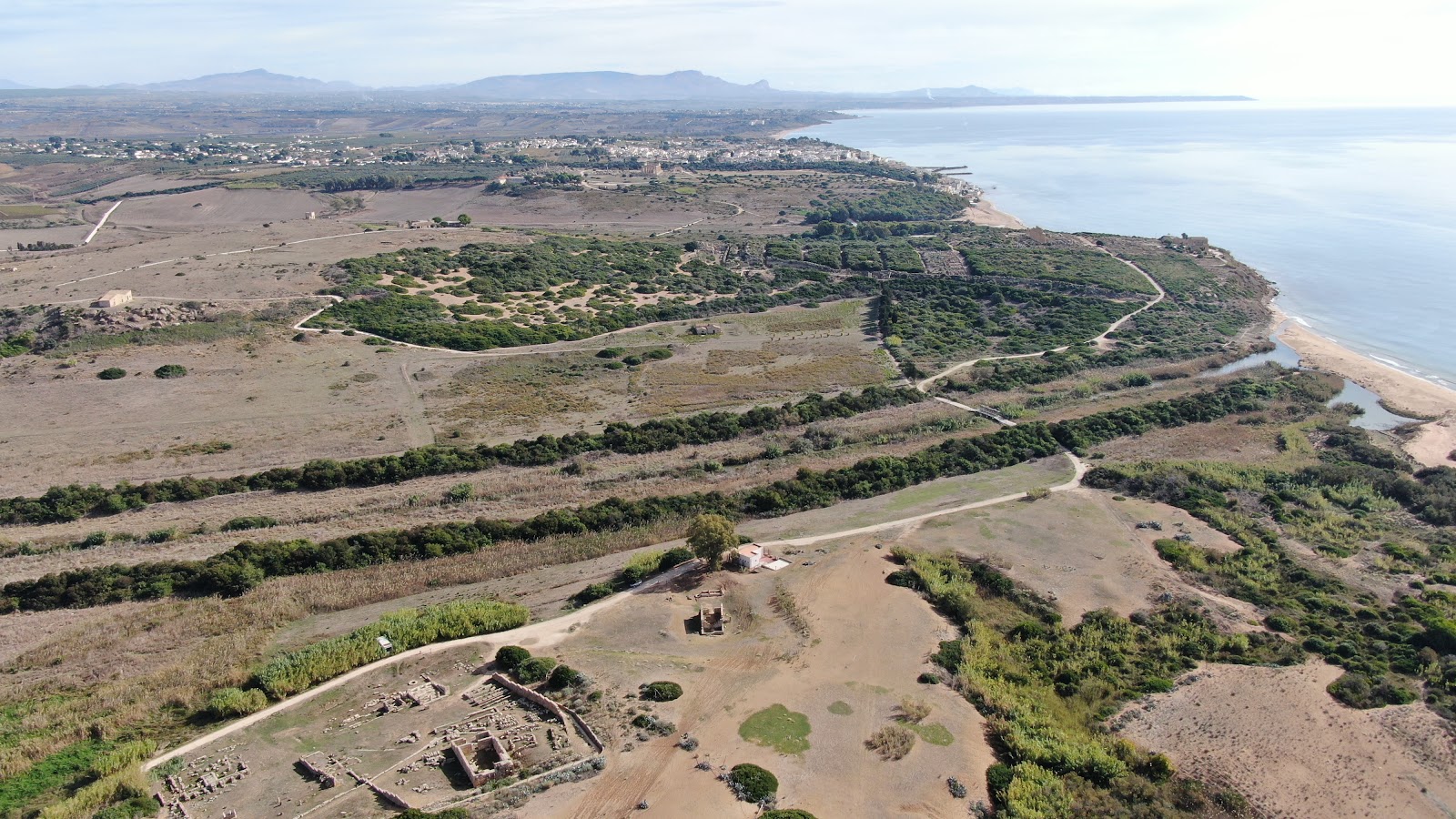
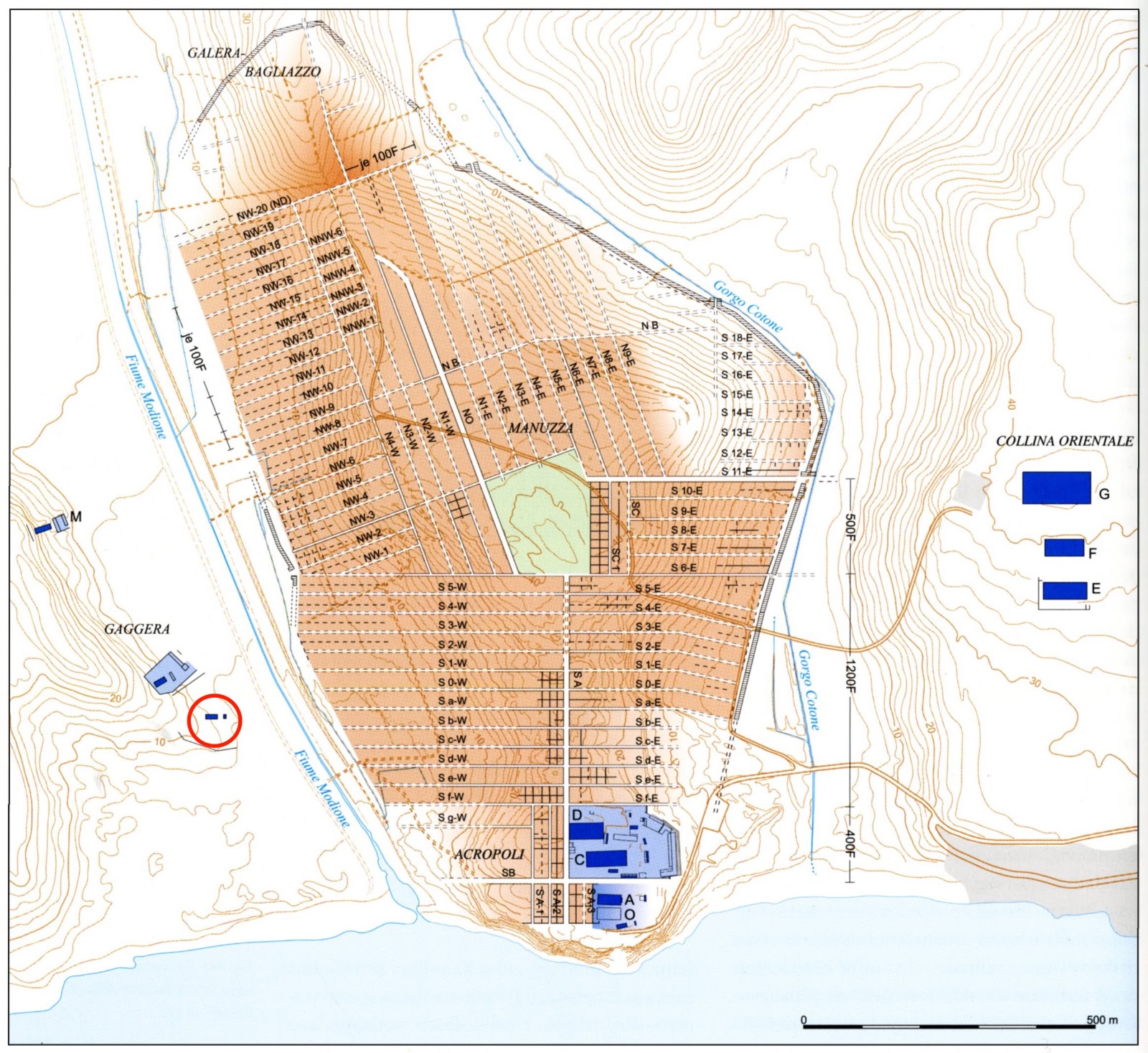
In this area, located west of the Selinunte Acropolis, between the Modione River to the east and the coastline to the south (Fig. 1), some of the most ancient cults were established as early as the planning phase of the new city (657 or 628 BC). These formed a system born from an exact correspondence with the main axes of the urban layout. During the last century, excavations and investigations have unevenly affected the known monumental sacred complexes (from north to south: Temple M; Sanctuary of the Malophoros; Sanctuary of Hera).
This is, therefore, a topographical context of enormous potential, offering the extraordinary opportunity to integrate the individual complexes into a unified vision. This will be achieved through updated methodologies on two scales. On a micro-scale: to improve knowledge of the individual sanctuaries (buildings, cultic attendance, rituals); on a macro-scale: to understand the overall system of the “Hill of Sanctuaries”, located immediately outside the city, in an area characterized by intense human presence and the circulation of goods.
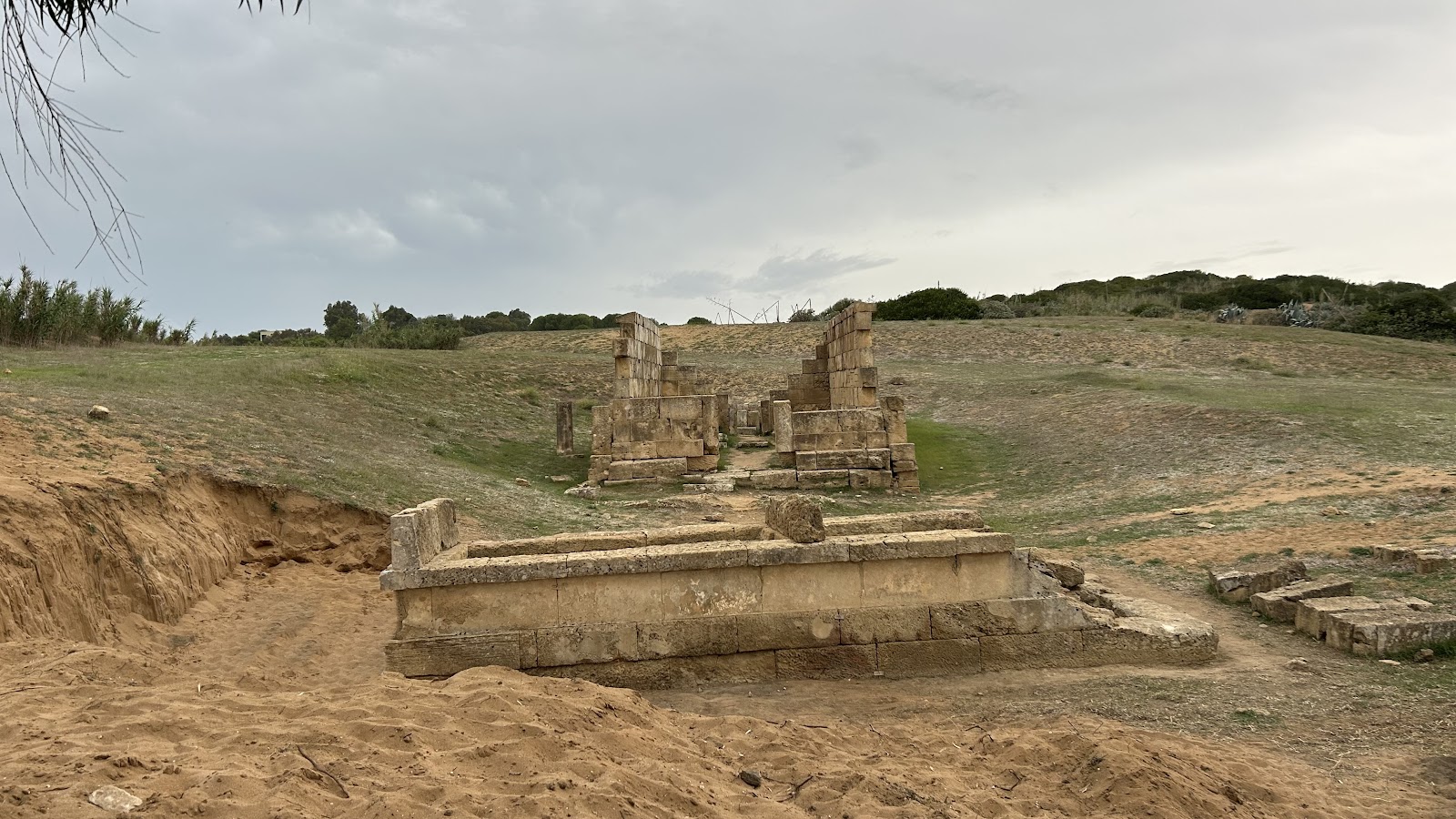
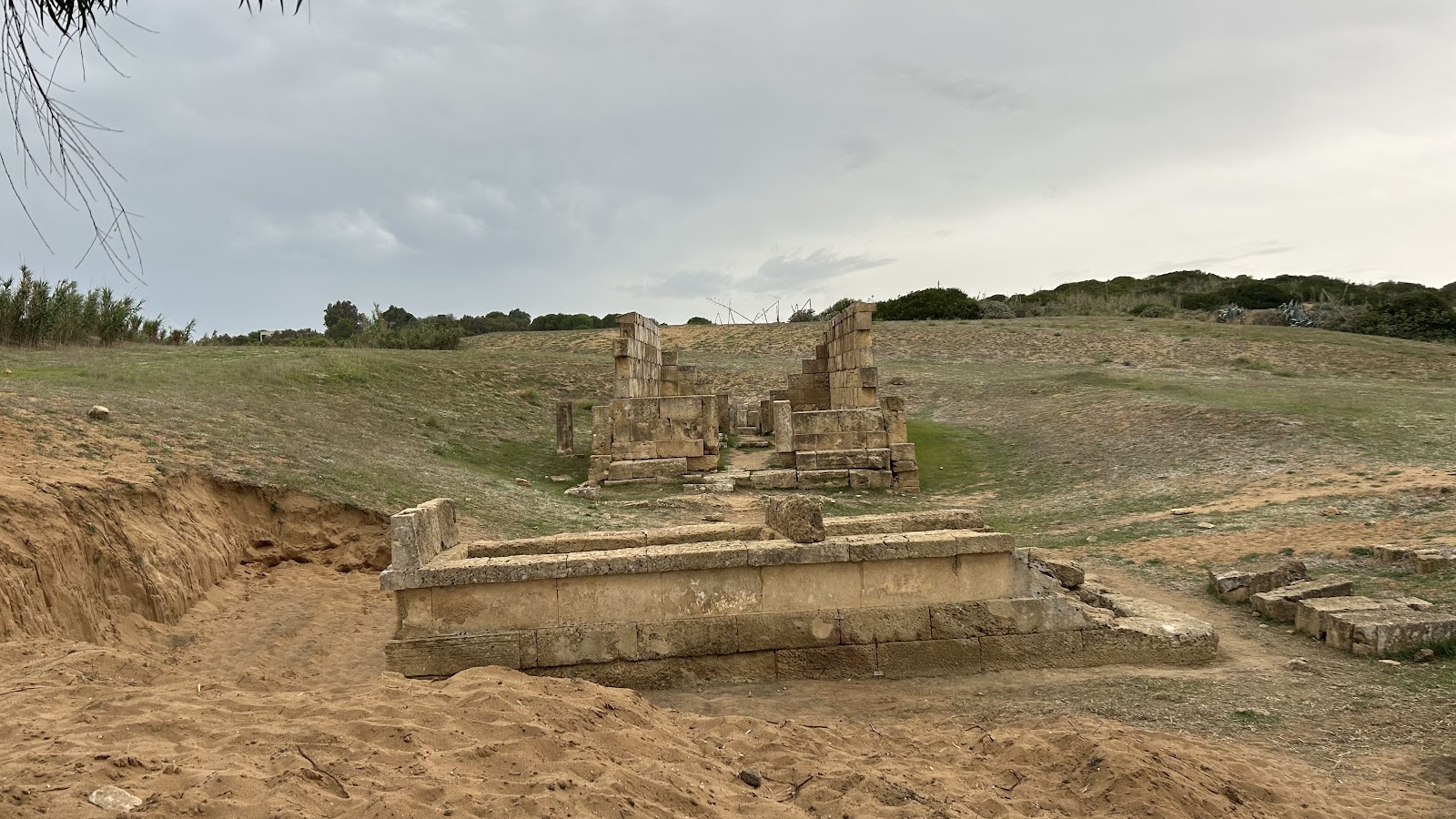
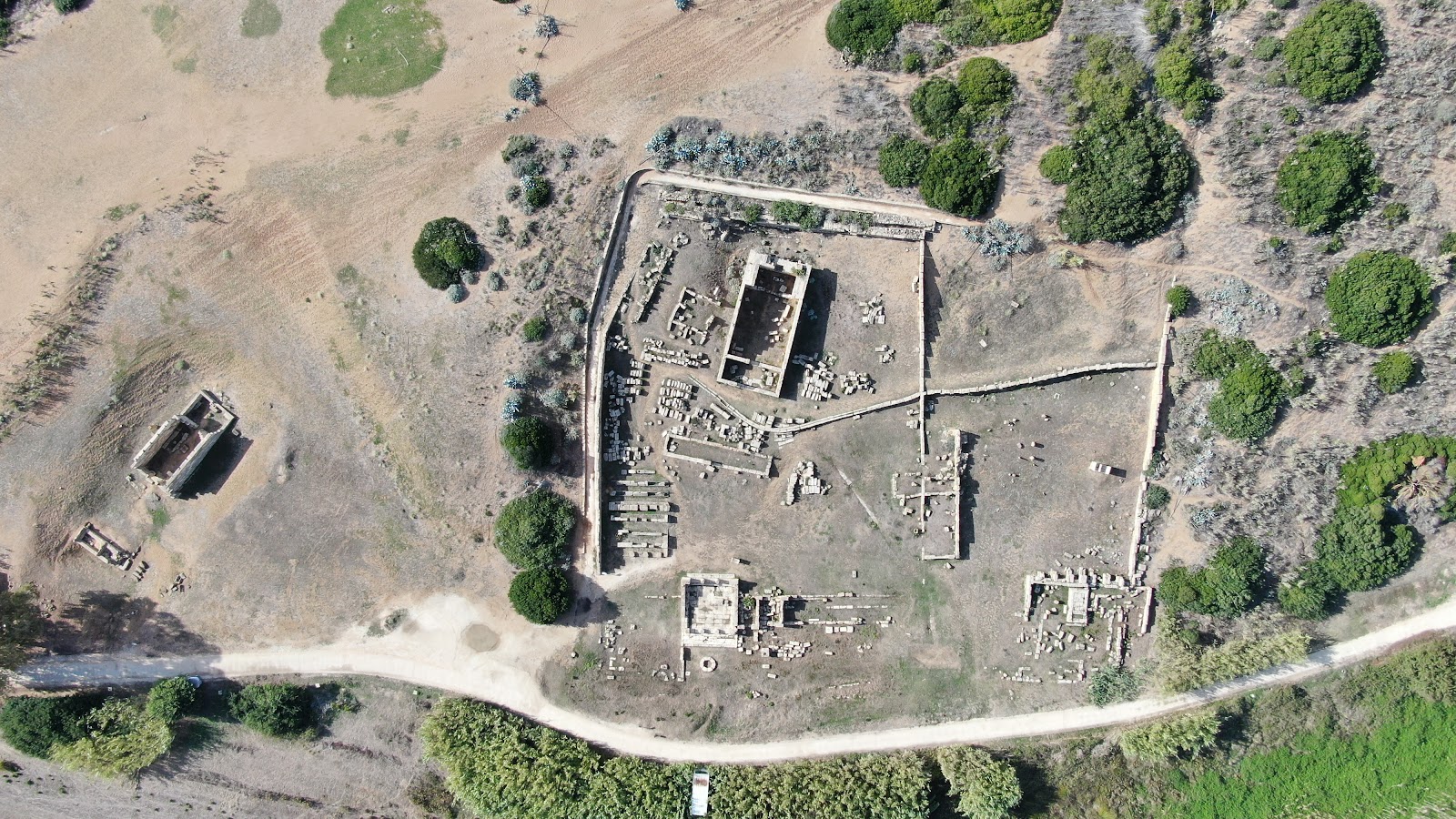
The first excavation campaigns (2023–2025) in the Sanctuary of Hera focused on the large Archaic monumental altar (Figs. 2–3). Constructed of calcarenite, this structure had not been subject to further investigation since the conclusion of the Malophoros Mission in 1985. Excavating the nearly intact internal stratigraphy was essential to understanding its construction technique and refining its chronology (early 6th century BC).
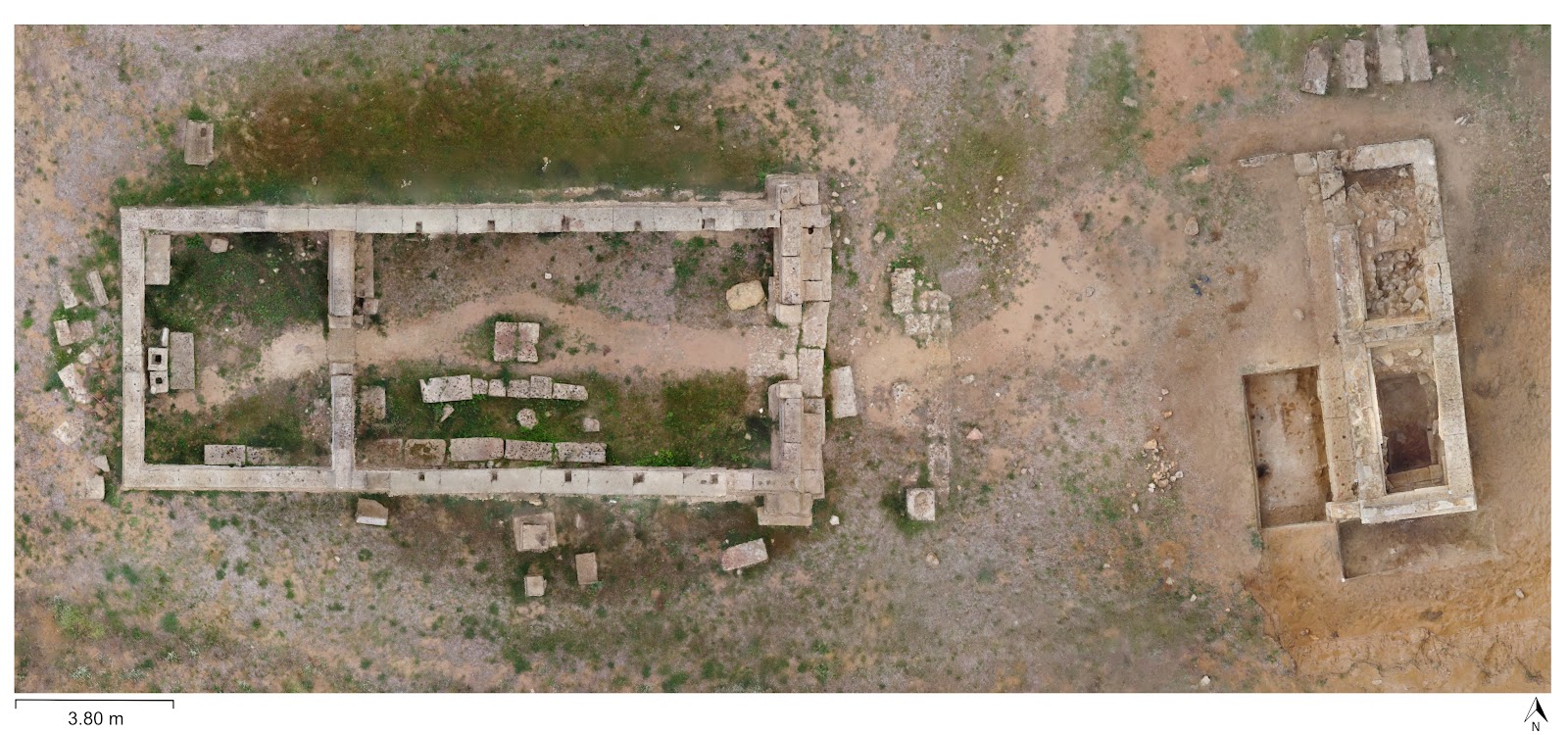
In 2025, a previously unknown monumental building from the Archaic period was also brought to light, having been entirely buried by the modern sandy slope. Additionally, a new documentation campaign has been launched in the Sanctuary of the Malophoros.
Collaborators:
- Lorenzo Kosmopoulos (Head of Survey and Graphic Documentation);
- Giulia D’Angelo, Emanuela Ribaudo (sector supervisors).
- Bibliography
A. Lo Monaco, C. Parisi Presicce, Selinunte, area della Gaggera. L'altare dell'Heraion. Dati preliminari e nuove prospettive di ricerca, in SCIENZE DELL'ANTICHITÀ, 2024, Vol. 30.1, pp. 65-79;
A. Lo Monaco, C. Parisi Presicce, La Collina della Gaggera. Campagne di scavo e documentazione archeologica 2023-2024, in Annali Selinunte 2 2024, pp. 61-70;
A. Lo Monaco, C. Parisi Presicce, L. Kosmopoulos, Selinunte, Collina della Gaggera. Campagna 2024, in SCIENZE DELL'ANTICHITÀ, 2025, Vol. 31.1, pp. 59-76;
A. Lo Monaco, C. Parisi Presicce, L. Kosmopoulos, Selinunte, Collina della Gaggera. Campagna 2025, in SCIENZE DELL'ANTICHITÀ, 2026, Vol. 32.1 (in cds).
Further details about this research:
- Research type: Sapienza "Grandi Scavi"
- Location of the excavation: Selinunte
- Research topic: Archaeology
- Fundings: Sapienza, Grandi Scavi
| Image gallery | ||
|---|---|---|
 |  |  |
 |  | |