

Research > National Projects > PRIN Projects > Planning the future of a Unesco site: setting a model for the protection of a World Heritage site as a node of multidisciplinar scientific research and laboratory for social integration, international cooperation, landscape preservation and cultural dissemination
Principal Investigator: Lucia Mori
External links:
http://arslantepe.it
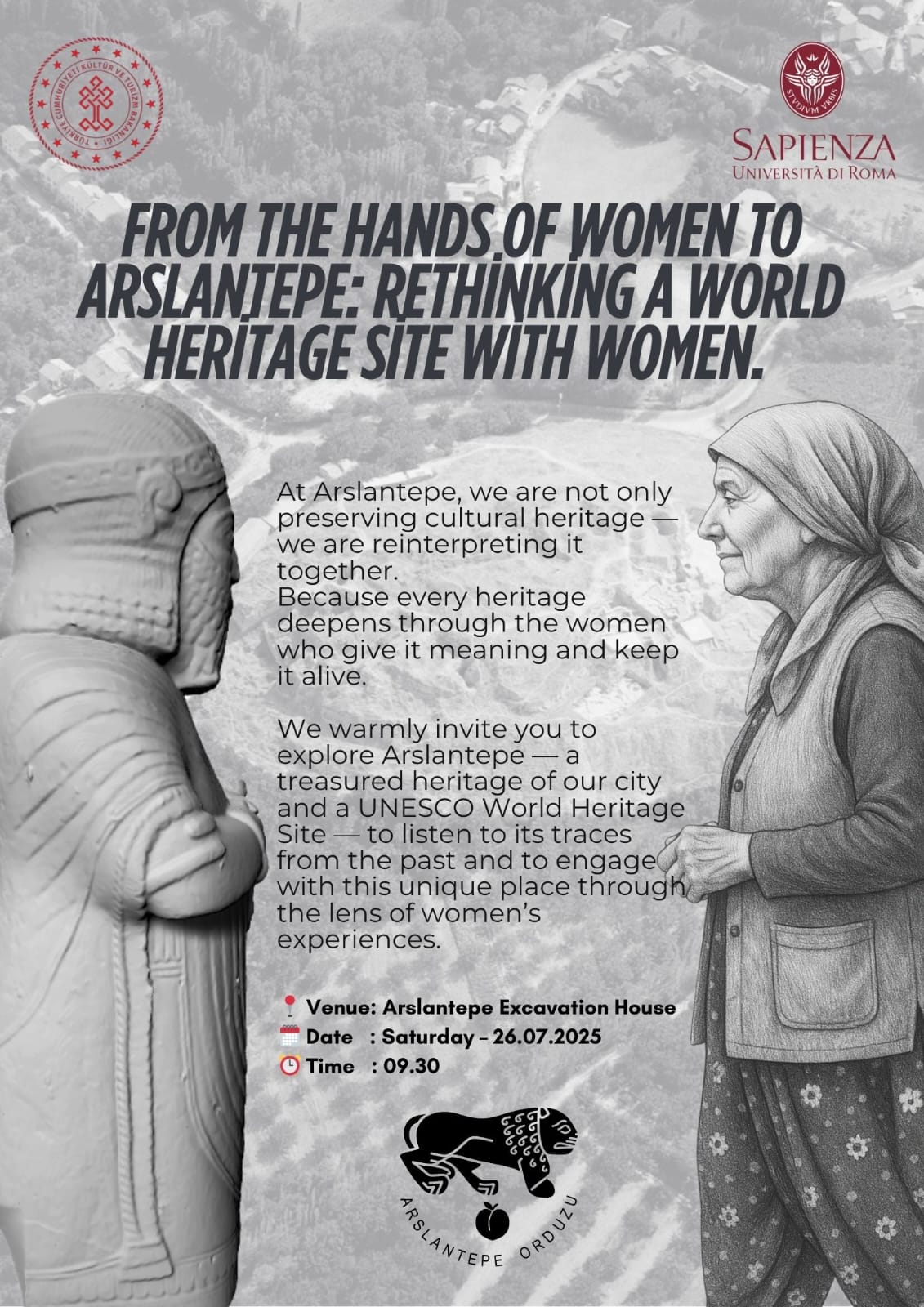
The project aims at providing an innovative model of good practice in Public Archaeology for the protection, conservation and increase in public awareness of archaeological sites of the UNESCO World Heritage list, and at the same time enhance international scientific and socio-cultural cooperation. The site of Arslantepe, in the Malatya plain in Turkey, which is an open-air museum of the UNESCO list since 2021, is proposed as a case study. At Arslantepe we are elaborating and testing an integrated project of protection of the site that will provide a solid reference study for future planning at other sites; a composite way of dealing with Cultural Heritage for present and future generations, integrating scientific research and conservation with needs and expectations of society, and working with direct commitment of the local communities. Three main lines of activities will be carried out by the three units involved in the project:
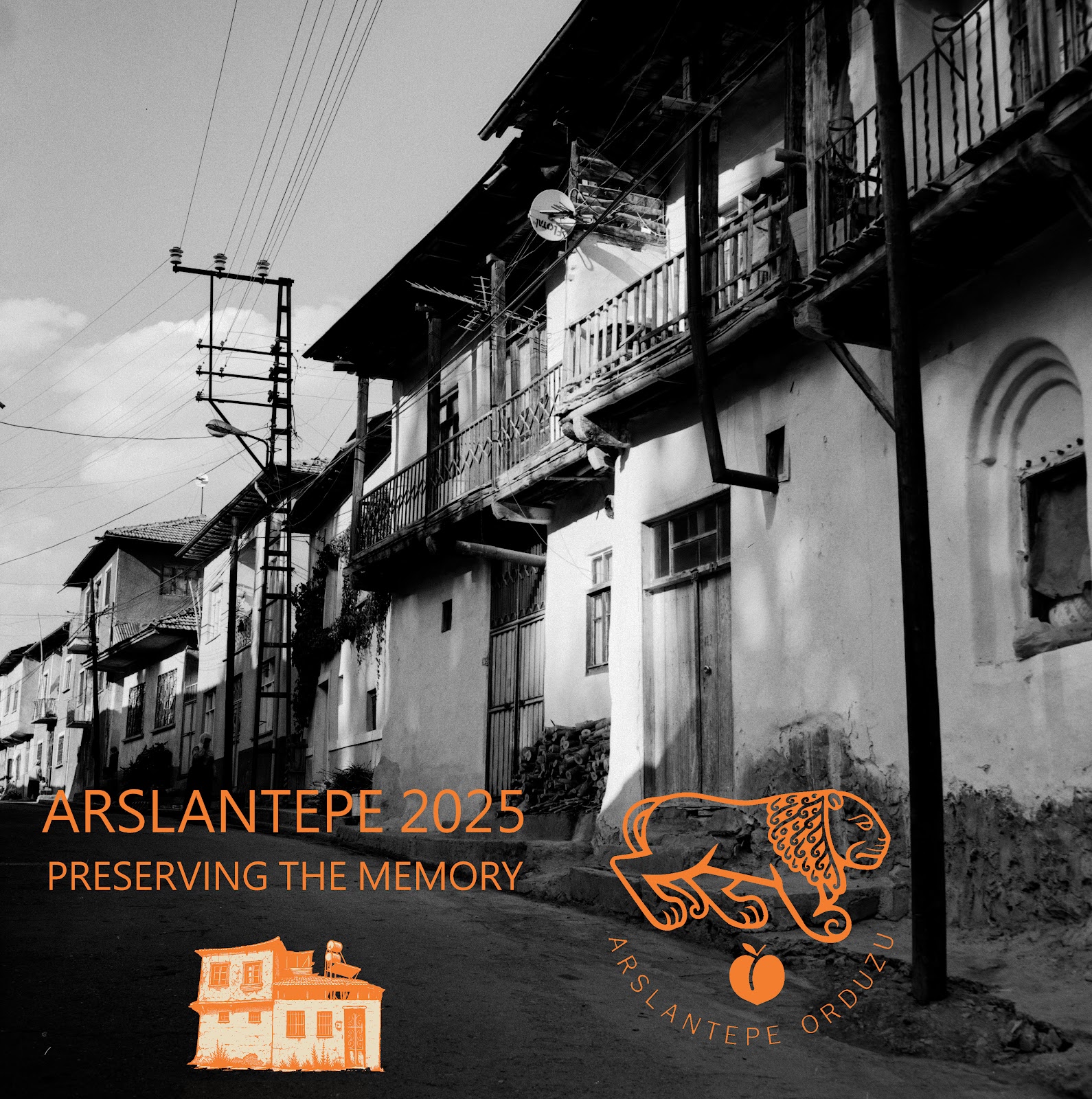
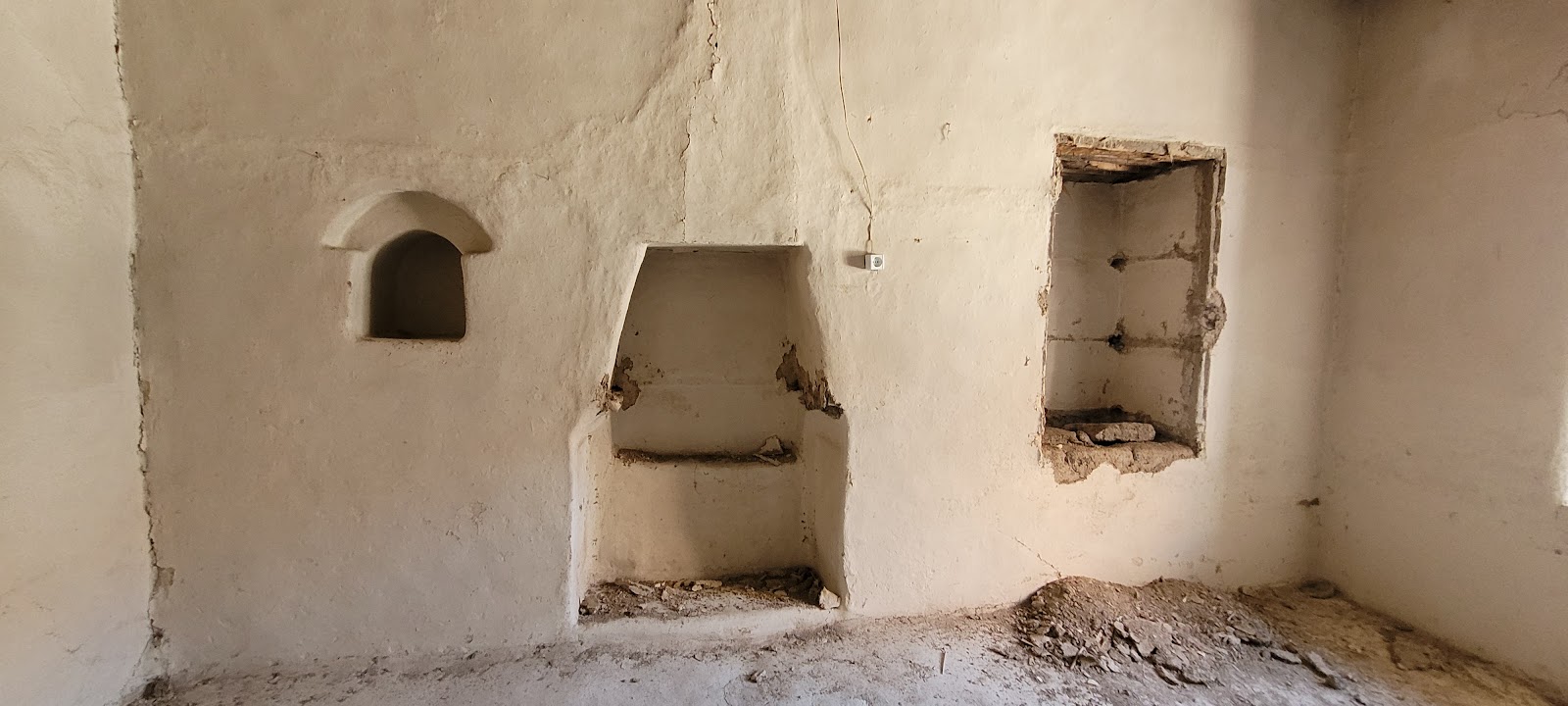
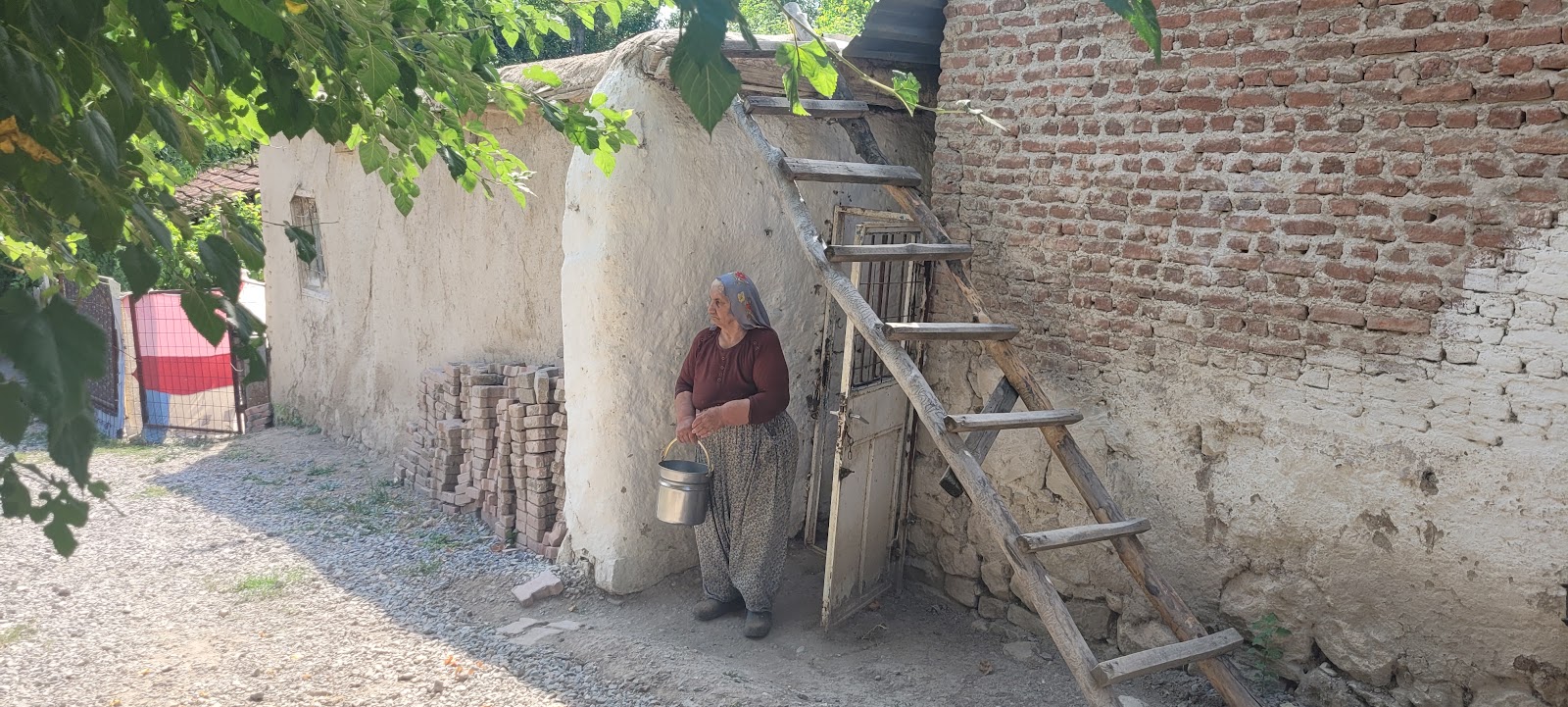
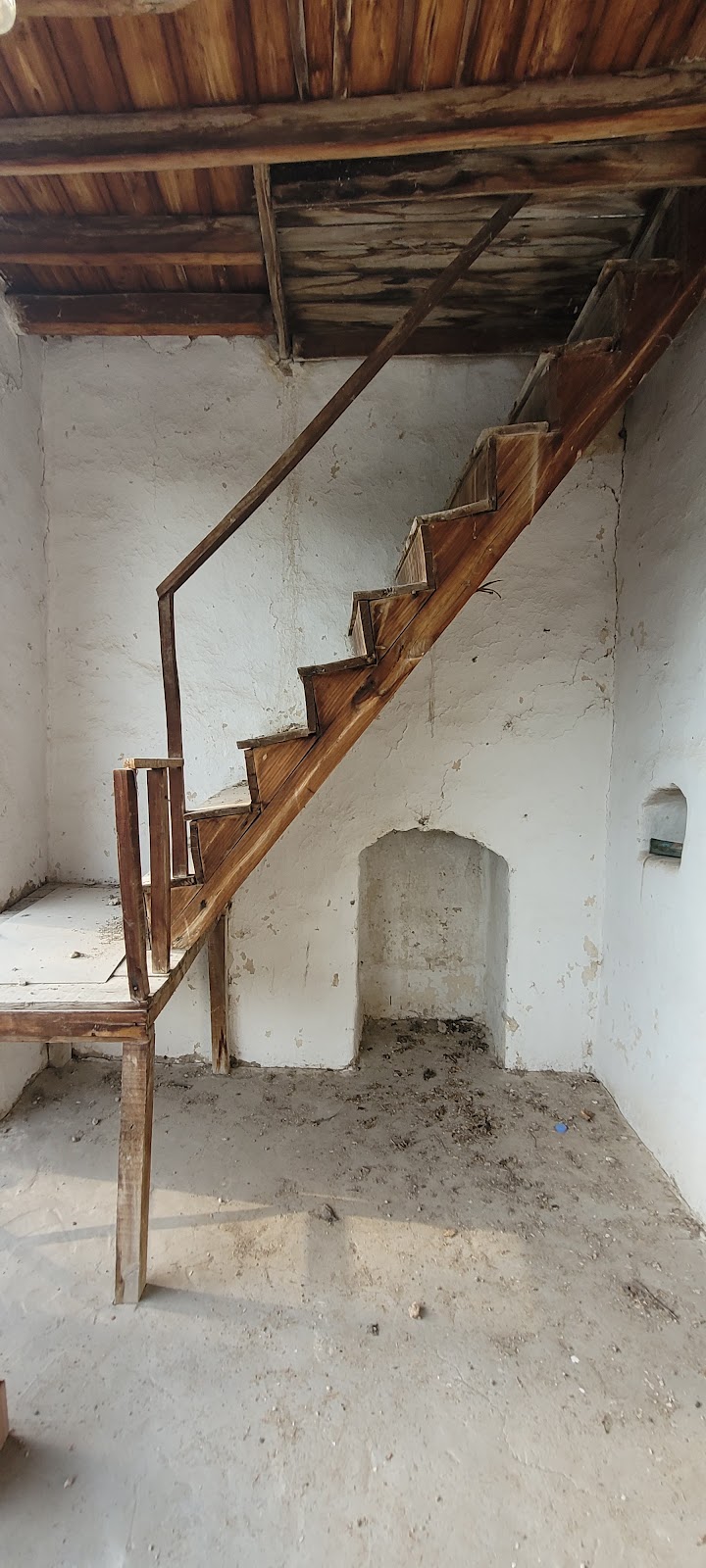
RU 1 - Sapienza University is developing and test a program of protection of the site through raising awareness and promoting participated activities with local citizens, schools, universities, museums and local administrations. A multi-disciplinary survey of the resilient traditional heritage of the village surrounding the mound has been carried out and inserted into a Geographic Information System (GIS), where to merge and compare data from the modern town and from the ancient settlement of Arslantepe in the aim of creating a virtual (but also living) laboratory of memory preservation and identity building.
RU 2 - Tuscia University of Viterbo is carrying out a landscape analysis, designing and implementing a database associated with a GIS, aimed at extracting maps of environmental risks for the UNESCO protected area (buffer zone of 1km around the site).
RU 3 - Roma Tre University has planned and tested an innovative geoarchaeological monitoring system (Geoarchaeological Monitoring Smart System with the installation of an IoT environmental sensor network) to measure and control the main environmental parameters that can potentially generate degradation phenomena of the archeological monuments at the site.
Collaborators:
Francesca Balossi Restelli (Sapienza: Director of Arslantepe excavation); Nevio Danelon, Post-doc (Sapienza: Responsible of laser scanner survey); Andrea Cosmo Fantasia (Sapienza: student, collaborator to the Orduzu survey) Gian Maria di Nocera (Tuscia University: responsabile of Unit 2) Guido Giordano (Roma Tre: responsible of Unit 3)
- Bibliography
L. Mori*, N. Danelon*, S. Festuccia*, V. Indere**, A.C. Fantasia* and F. Balossi Restelli*, Traditional mud-brick architecture at Orduzu (SE Türkiye) and the importance of preserving a historical memory surrounding the Unesco site of Arslantepe, Scienze dell'Antichità 31, 2024
Further details about this research:
- Research type: Progetto di Ricerca PRIN
- Research topic: Cultural Heritage Preservation
- Fundings: Prin 2022 PNRR
| Galleria immagini | ||
|---|---|---|
 |  |  |
 | ||