

Research > National Projects > PRIN Projects > Cultural Itinerarie in Lebanon (CIL): Community engagement, archaeological sites and the accessibility to the cultural landscape in Northern and Southern Lebanon
Principal Investigator: Marta D'Andrea
The Cultural Itineraries in Lebanon (CIL) project focuses on the concept of digital heritage and the idea that inclusive documentation and dissemination strategies through cutting-edge technologies can provide new economic opportunities by capitalizing on an extraordinary but undervalued tangible cultural heritage, through the work of two research units (University of Udine, PI: Prof. Marco Iamoni; Sapienza University of Rome, head of research unit: Prof. Marta D’Andrea).
The Cultural Itineraries in Lebanon (CIL) project focuses on the concept ofdigital heritage and the idea that inclusive documentation and dissemination strategies through cutting-edge technologies can provide new economic opportunities by capitalizing on an extraordinary, yet undervalued, tangible cultural legacy.
In particular, CIL operates in regions characterized by challenging socio-economic conditions.
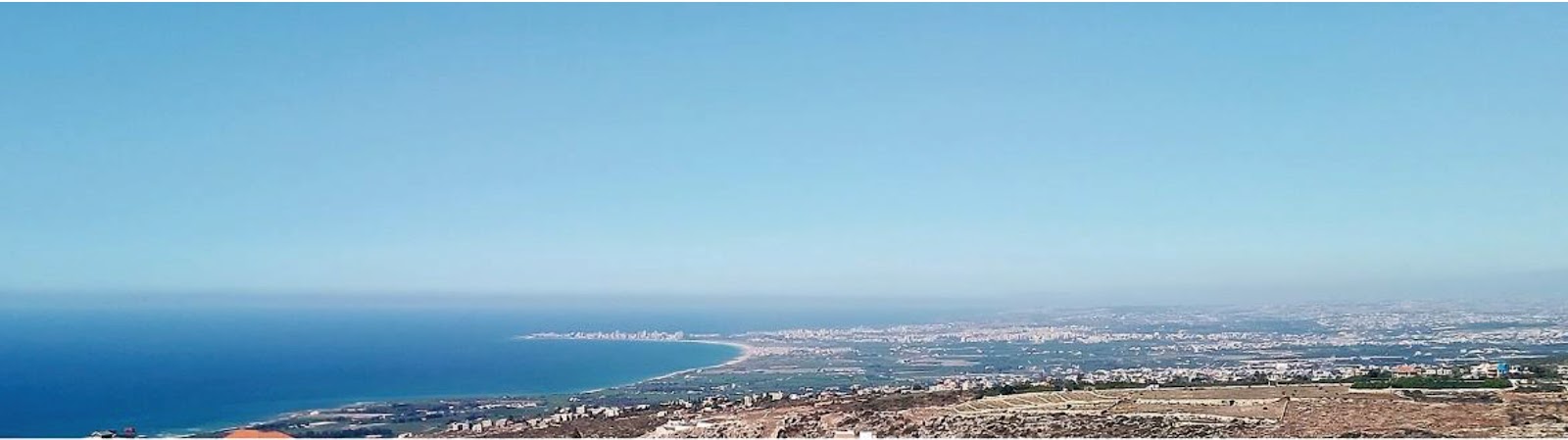
The activities of the Sapienza University of Rome’s research unit pivot around the collaboration wih the Lebanese-Italian Archaeological Project in the Region of Tyre, a joint mission of the Directorate General of Antiquties of Lebanon, of Sapienza University of Rome, and of the Lebanese University (co-directed by Dr Ali Badawi, Prof. Marta D'Andrea, and Prof. May Haider).
Through a series of activities based on the implementation of digital techniques to revitalize the community-heritage relationship, the CIL project aims to promote the cultural landscape as an essential resource to improve quality of life and, at the same time, contribute to recovery from the economic crisis.
The case studies selected for the project concern two regions where two Lebanese-Italian archaeological missions have uncovered extraordinaryarchaeological landscapes.
In collaboration with Lebanese institutions, the CIL project works to enhance local heritage, with the creation of digital models of various sites, which will then be displayed in key areas such as museums and cultural centers.
These sites will then be included in specific routes that will allow visitors to travel through them and see the best of these areas.
This will promote knowledge and awareness of local heritage and increase visits by local and international tourists to lesser-known but highly important archaeological sites, with positive impacts on local socio-economic development, starting from inclusive management strategies.
Last but not least, the results of the CIL project will help to raise awareness of threatened local monuments, encouraging local municipalities to develop initial conservation and promotion strategies.
These will lay the groundwork for the involvement of Lebanese national institutions in the preparation of broader protection plans aimed at providing more systematic and long-term policies for the conservation and enhancement of cultural heritage.
Although focused on selected case studies in Lebanon, CIL is largely a project aimed at developing an intervention protocol that can be replicated in other situations where the connection between local heritage and local communities is disrupted, with increasing levels of potential damage to monuments and sites resulting from a lack of full awareness of the importance of cultural heritage for the well-being of modern societies.
In this sense, CIL operates in Lebanon but its activities can be replicated in other areas of the Mediterranean basin, including Italy.
Collaborators:
Internal collaborators: Lorenzo Verderame (member of research unit), Luca Di Bianco (research fellow), Kayssa Mavrides (research fellow), Nicola Lanzaro (PhD candidate)
External collaborators: Ali Badawi (co-director Lebanese-Italian Archaeological Project in the Region of Tyre), May Haider (co-director Lebanese-Italian Archaeological Project in the Region of Tyre)
Further details about this research:
- Research type: Progetto di ricerca PRIN
- Research topic: STAA-01/E - Archaeology and Art History of Ancient Western Asia and Eastern Mediterranean
- Fundings: The project is co-financed with PNRR funds for Mission 4 “Istruzione e Ricerca” of the National Recovery and Resiliency Plan and in particular for Component C2 – Investment 1.1, Fund for the National Recovery and Resiliency Plan and Progetti di Rilevante Interesse Nazionale (PRIN) – of the National Recovery and Resiliency Plan, financed by the European Union Next Generation EU.
| Image gallery | ||
|---|---|---|
 |  |  |
 | ||