

Research > Archaeological Fieldwork > Sapienza "Grandi Scavi" > Tracing the first herders in East Africa. Cultural, Symbolic, and Historical Trajectories in the Borana Zone (Southern Ethiopia)

Director: Marina Gallinaro
External links:
Landscape, Culture And Development In Critical Areas: Ethiopia And Beyond
The Borana Zone in southern Ethiopia provides an ideal context for studying the emergence of pastoralism in East Africa, where the timing and dynamics of the transition from hunter-gathering to food production remain unclear. Paleoenvironmental and archaeological sequences for the Holocene are limited to a few lacustrine sequences along the Rift Valley and a few highland sites.
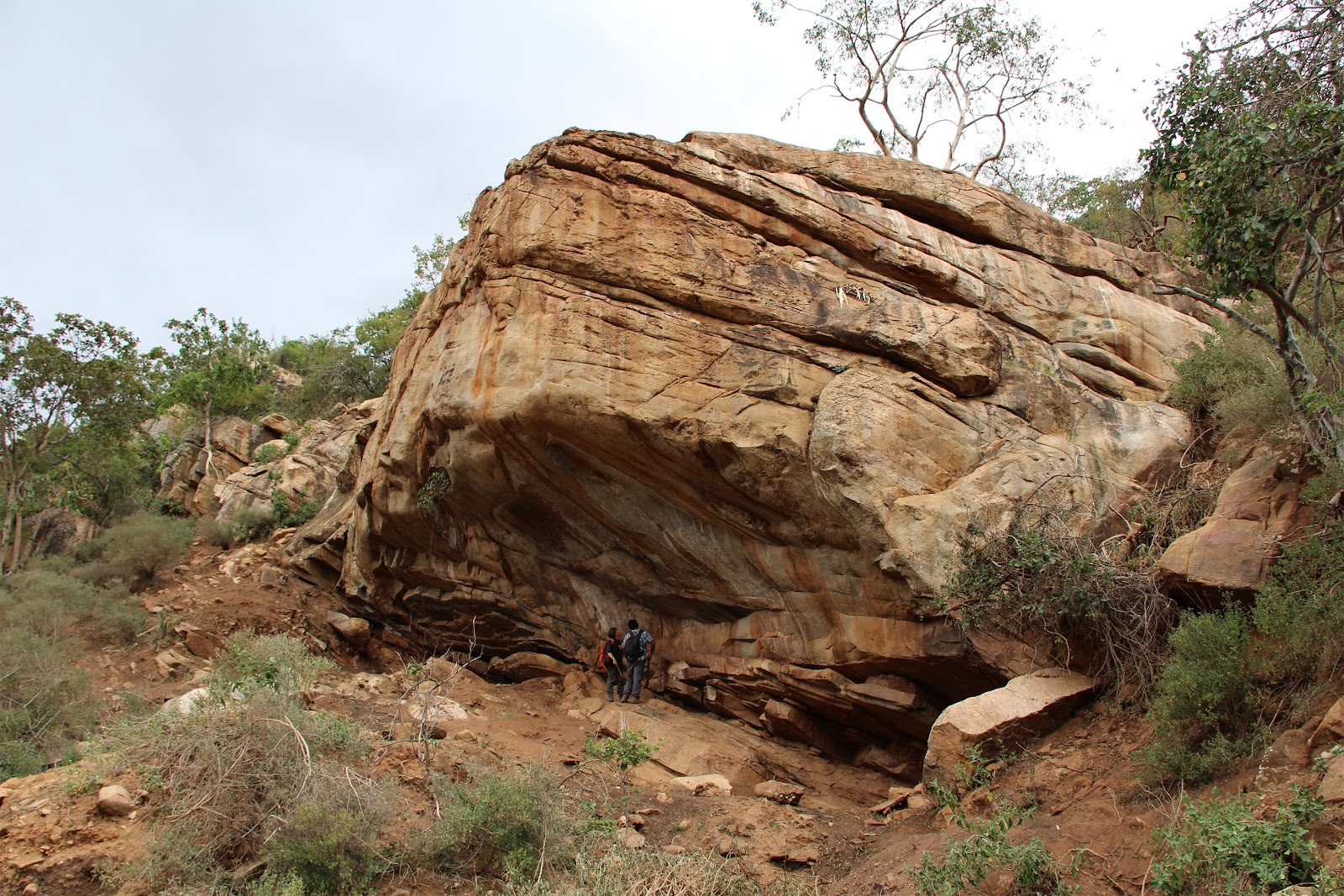
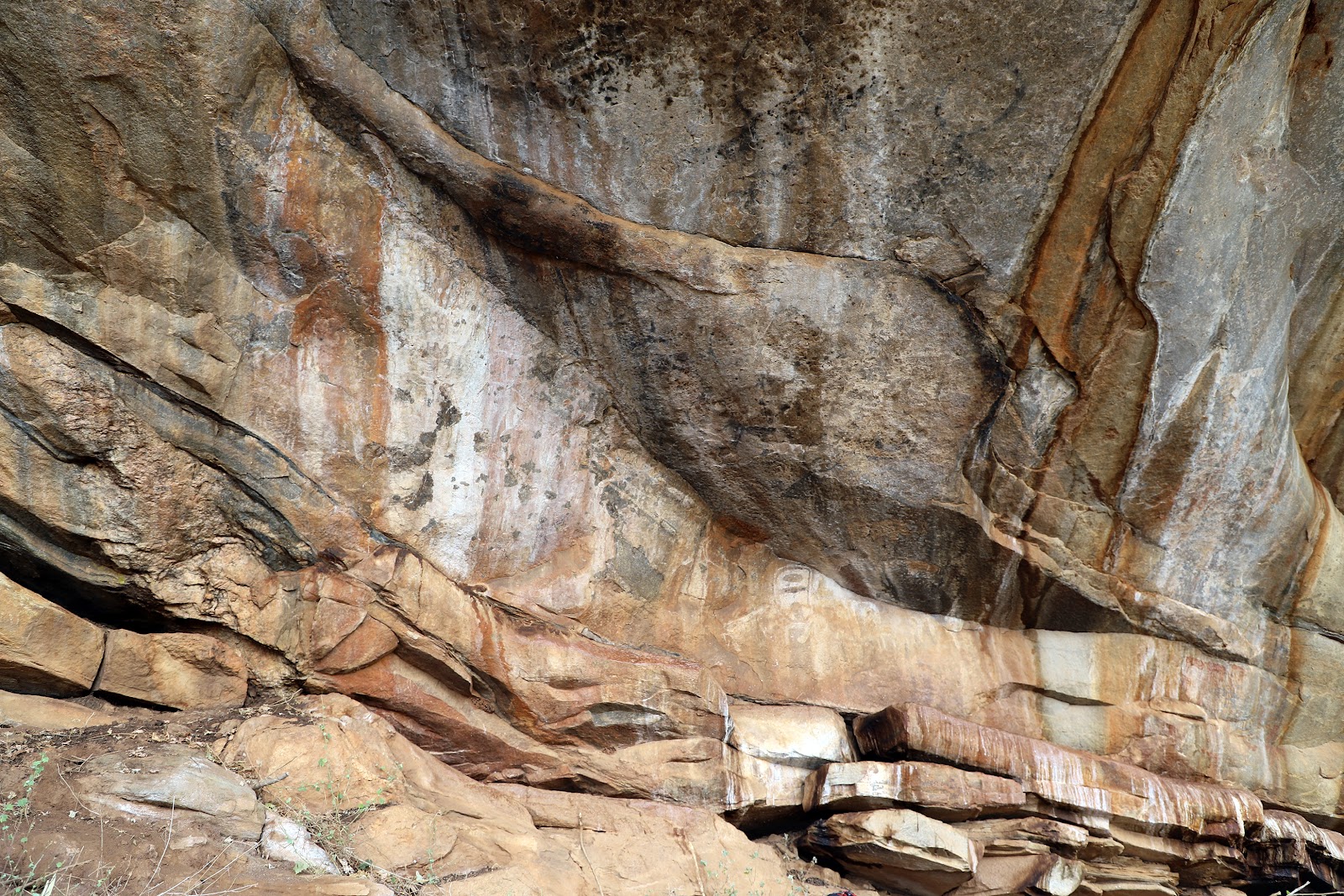
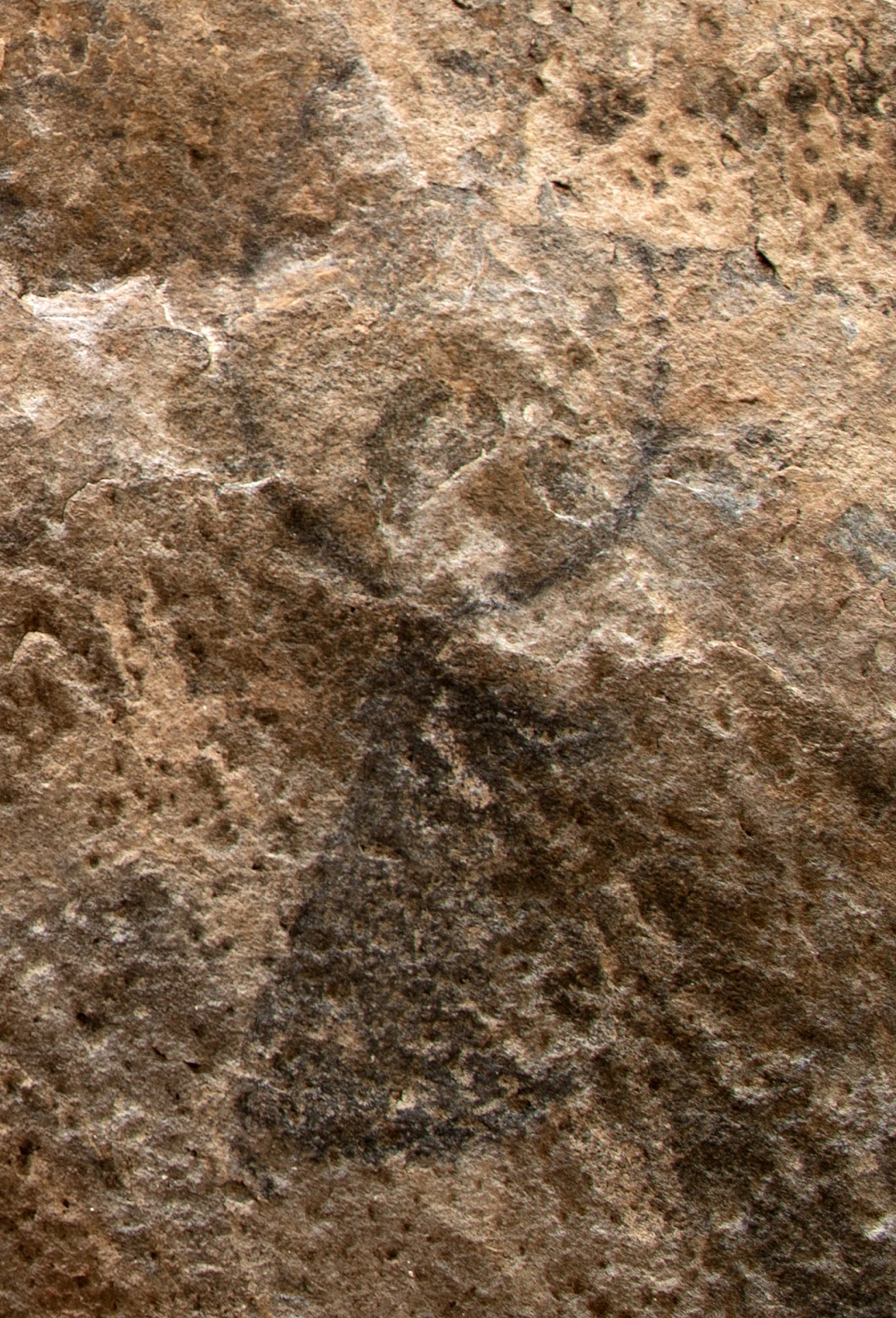
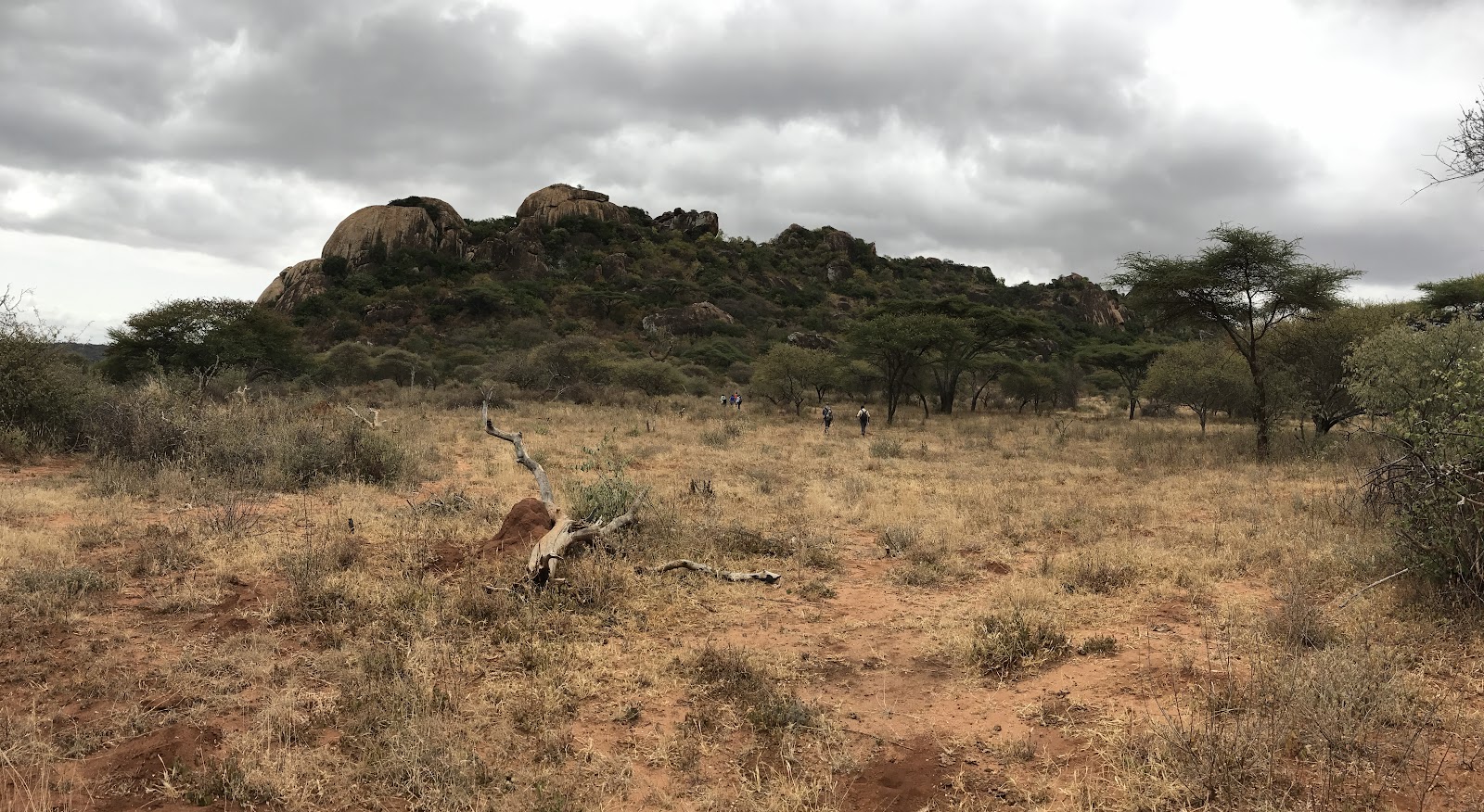
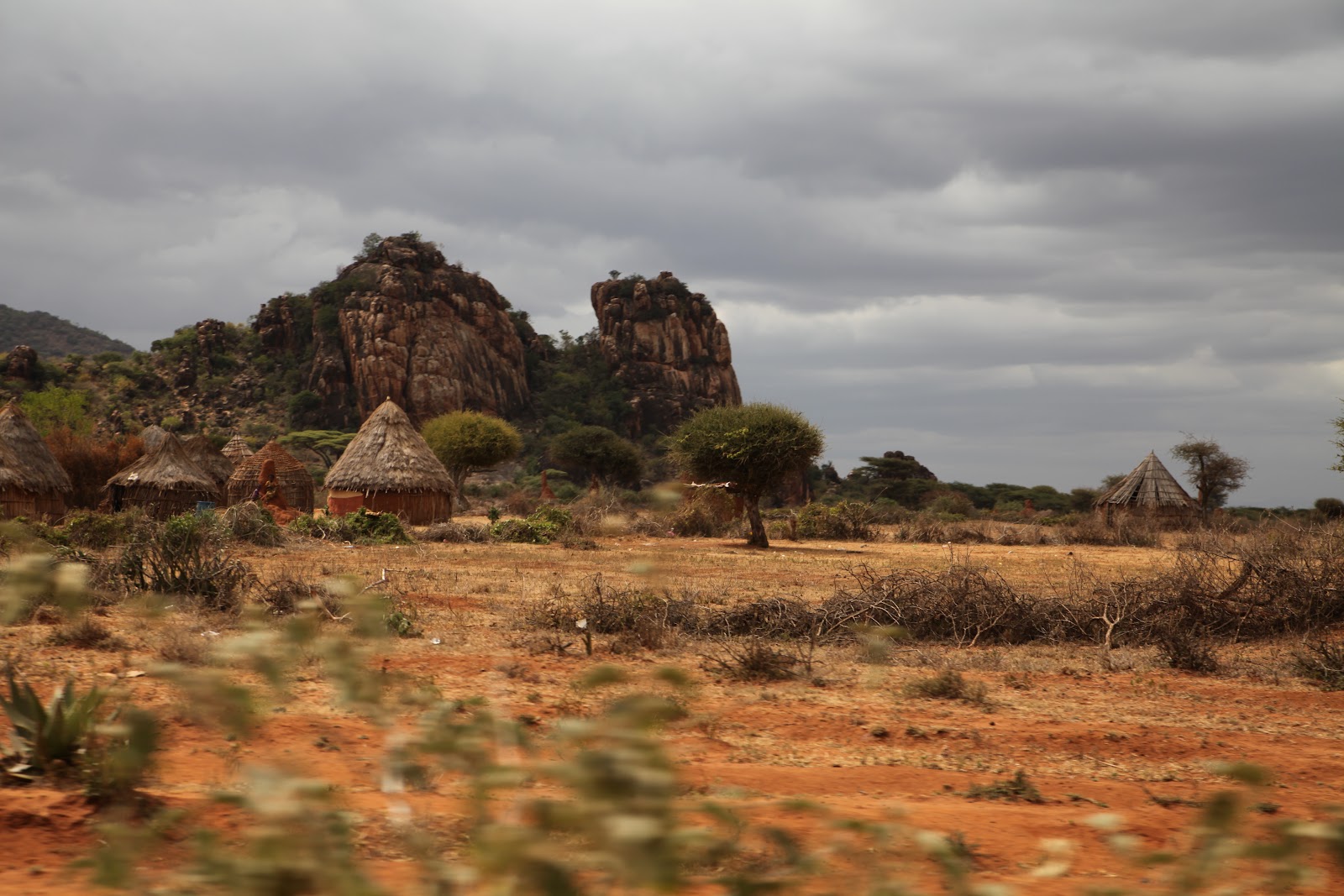
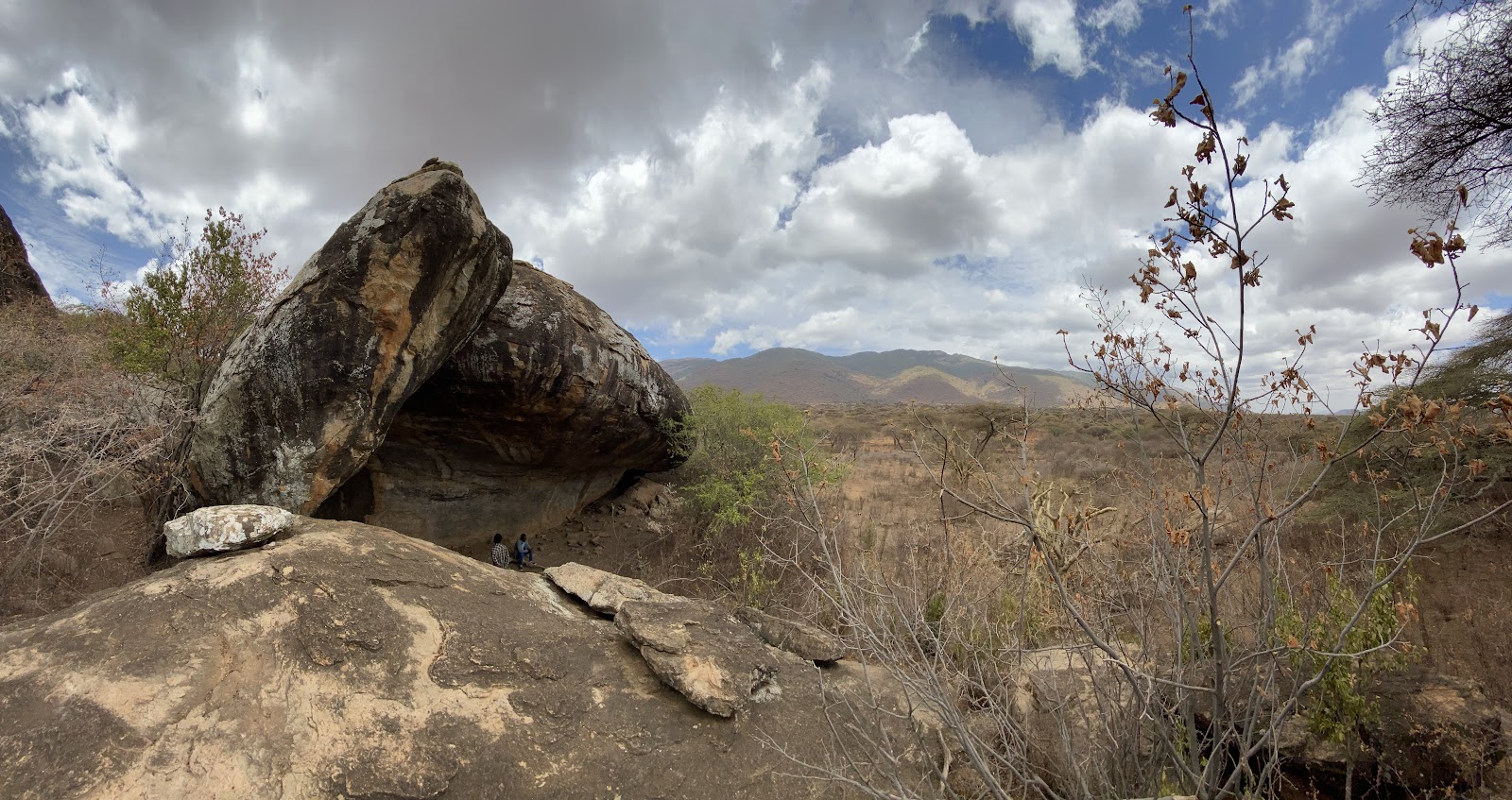
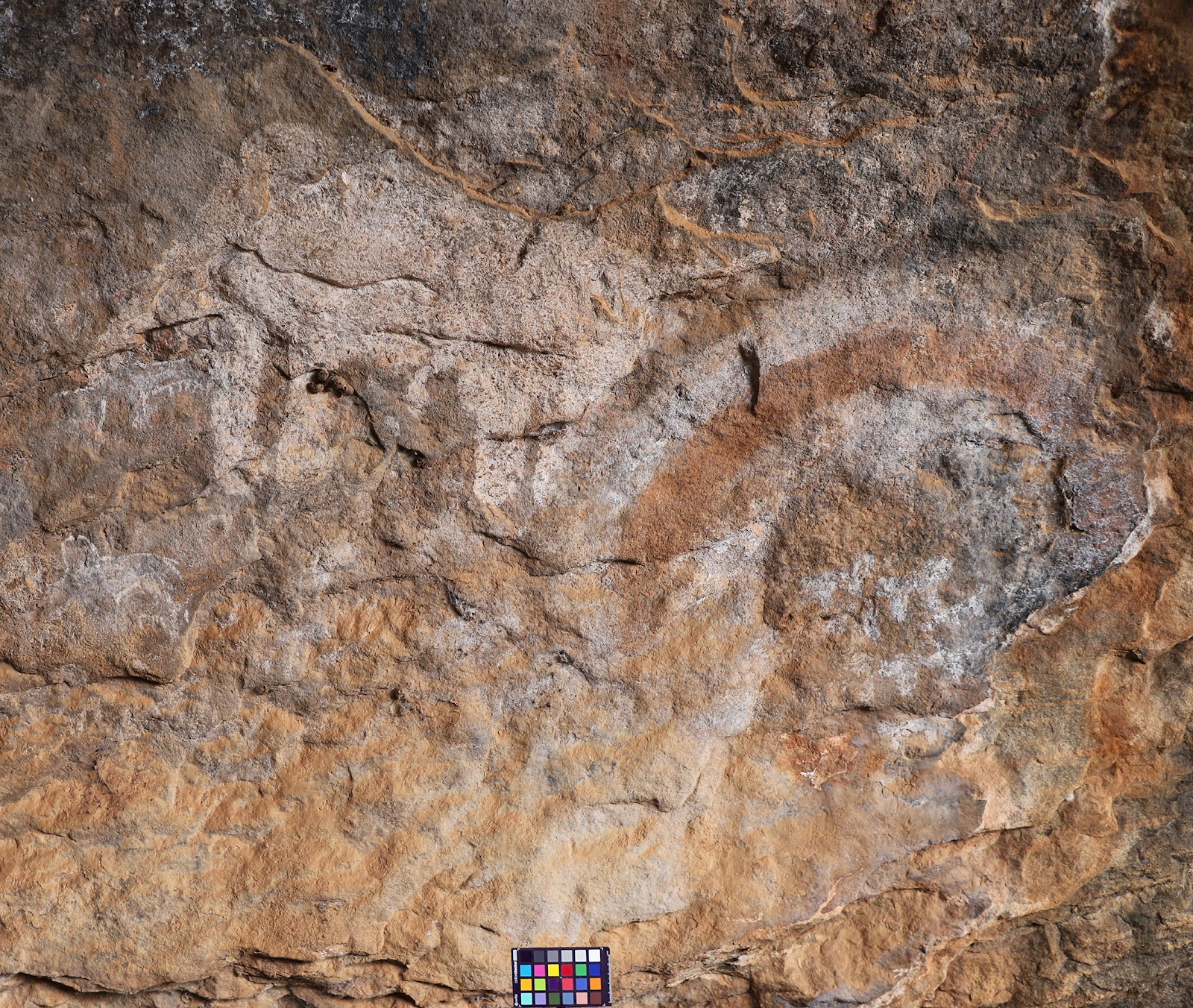
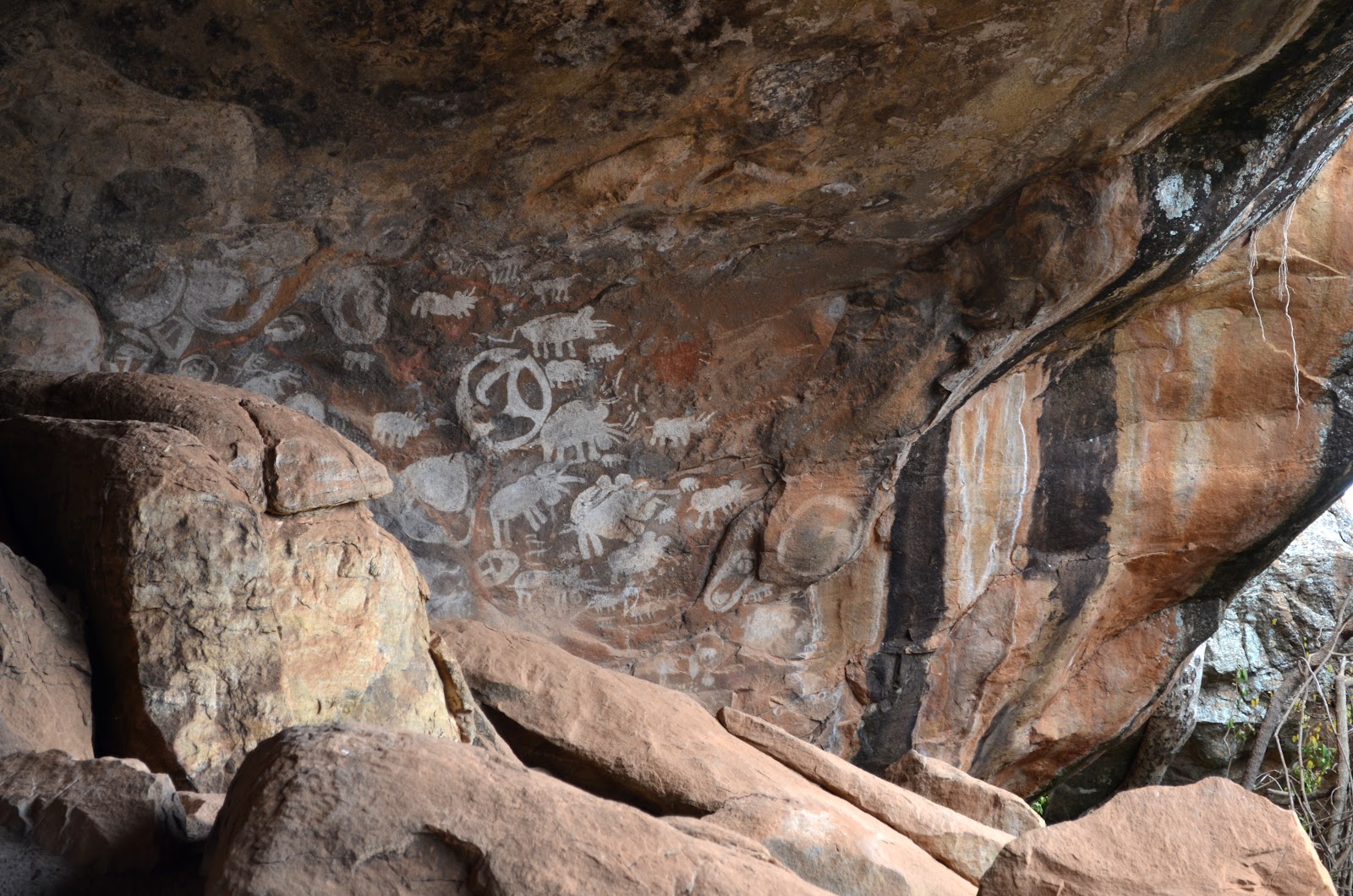
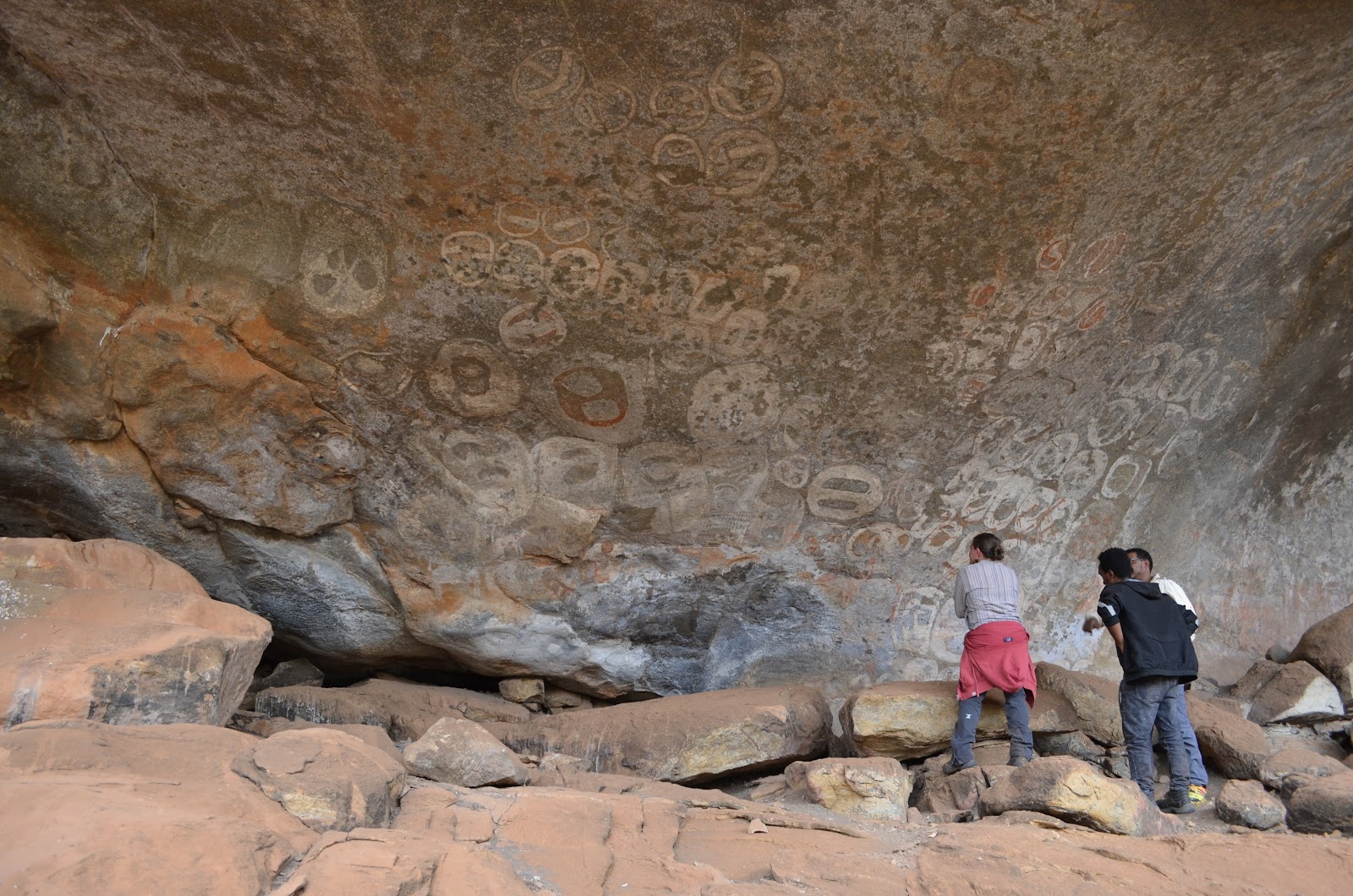
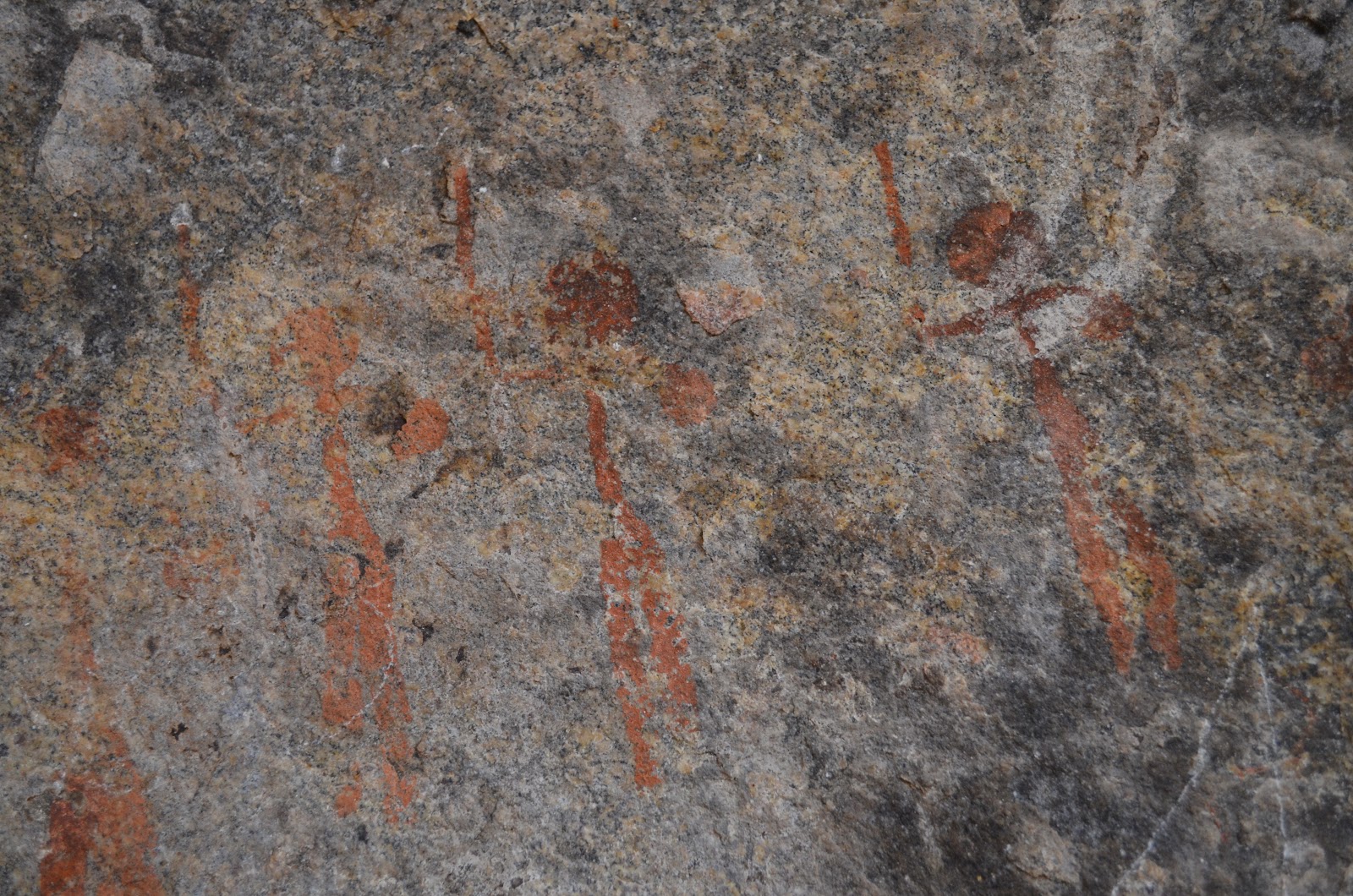
The Borana Zone can add significant data due to its geomorphological setting (at the edge of the Ethiopian plateau and the lowlands of the Turkana Basin), the presence of archaeological sites with preserved deposits, pastoral rock art paintings, and the persistence of a traditional pastoral system.
The project aims to trace the cultural, symbolic, and historical trajectories of the first herders in the Borana Zone through an interdisciplinary approach that combines Climate and Environmental Studies, Archaeology, Anthropology, Historical Studies, Digital Humanities, and Sustainability Studies. It employs cutting-edge technologies and innovative methodologies drawn from the humanities and STEM disciplines. A key focus is an in-depth study of contemporary pastoral communities to gain a deeper understanding of land use and the potential effects of climate variations on animals and humans, as well as to propose a sustainable development project.
The project has six interconnected objectives:
- O1 Investigating the historical sources referring to East Africa
- O2 Defining a sequence of climatic and environmental changes in the region
- O3 Studying the modern pastoral landscape
- O4 Reconstructing the origin subsistence strategies of the first herders
- and O5 their cultural and symbolic trajectories.
- O6 Designing a strategic plan for sustainable development projects.
The strong collaboration with Ethiopian institutions, local universities (Addis Ababa, Borana, and Wolaita Sodo), and local communities, achieved through a bottom-up approach, is a hallmark of feasibility and cultural impact on the region.
- Collaborators (click to expand)
- Eliana Billi, Sapienza Dept. SARAS, rock art conservation
- Arianna Campiani, Sapienza Dept. SARAS, remote sensing
- Lorenzo D'Angelo, Sapienza Dept. SARAS, modern pastoral landscape
- Federica Favino, Sapienza Dept. SARAS, historical source
- Massimo Moretti, Sapienza Dept. SARAS, iconographic study of rock art
- Roberto Nicolai Mastrofrancesco, Sapienza Dept. Scienze dell'antichità, classical historical sources
- Morketa Befikadu Asefa, Wolaita Sodo University (Ethiopia), excavation and modern pastoral landscape
- Tadele Solomon Bekele, Ethiopian Heritage Authority (Ethiopia), co-PI
- Adelphine Bonneau, University of Sherbrooke (Canada), rock art analysis
- Marta Bonsi, Sapienza External Collaborator, study of the effects of drought stress on the Borana nomadic pastoral system
- Halake Shoba Boruu, Borana Office of Culture and Tourism, modern pastoral landscape and cultural heritage management
- Adriano Carannante, Sapienza Dept. Scienze dell'Antichità, excavation and modern pastoral landscape
- Maddalena Cataldi, CNRS (France), historical source
- Costanza Cucci, IFAC-CNR, hyperspectral investigation rock art
- Alice De Simone, Sapienza Dept. Scienze dell'Antichità, excavation and rock art documentation
- Luciano De Sio, Sapienza Dept. Scienze e biotecnologie medico-chirurgiche, rock art analysis and modern pastoral landscape
- Alemitu Kempe Debeso, Borana Office of Culture and Tourism, cultural heritage management
- Lorenzo Di Cesare, Sapienza External Collaborator, historical source
- Boku Tache Dida, Borana University (Ethiopia), modern pastoral landscape
- Marianna Fusco, Emory University (USA), excavation and lithic studies
- Maria Gruosso, Sapienza External Collaborator, excavation and rock art documentation
- Cristina Lemorini, Sapienza Dept. Scienze dell'Antichità, rock art analysis
- Gianmarco Mugnai, Unirvesità di Perugia, rock art analysis
- Mariangela Petraretti, Università di Milano, Dept. Scienze per gli Alimenti, la Nutrizione e l'Ambiente, rock art analysis
- Marcello Picollo, IFAC-CNR, hyperspectral investigation rock art
- Giulia Previti, Sapienza Dept. Scienze dell'Antichità, rock art analysis
- Fabiola Sfodera, Sapienza Dept. CORIS, sustainable tourism project development
- Niccolò Cosimo Storto, Sapienza External Collaborator, classical historical sources
- Federica Villa, Università di Milano, Dept. Scienze per gli Alimenti, la Nutrizione e l'Ambiente, rock art analysis
- Andrea Zerboni, Università di Milano, Dept. Scienze della Terra "Ardito Desio", geoarchaeological and paleoenvironmental study
- Bibliography
vedi versione italiano
Further details about this research:
- Research type: Sapienza "Grandi Scavi"
- Location of the excavation: Borana Zone (Ethiopia)
- Research topic: Archaeology
- Fundings: Grandi Scavi Sapienza; Ministry for Foreign Affairs and International Cooperation (MAECI)
| Galleria immagini | ||
|---|---|---|
 |  |  |
 |  |  |
 |  |  |
 | ||